Let’s be honest. For years, water conservation felt like a sacrifice. Low-flow meant low pressure—a sad, trickling shower that just didn’t cut it. But here’s the deal: the science has caught up. Today, water-efficient fixtures are less about giving something up and more about smart engineering that you barely notice. Except, of course, on your water bill.
Choosing the right fixtures is a blend of physics, design, and a bit of home economics. It’s not just picking the product with the lowest gallons-per-minute rating. You need to understand how they work. That knowledge? It’s the key to a bathroom that feels luxurious while acting responsibly.
The “How” Behind the Low Flow: It’s Not Magic, It’s Engineering
Old low-flow tech simply restricted water. It was like putting your thumb over the hose. The result was, well, underwhelming. Modern fixtures use clever design to maintain performance. Here’s a peek under the hood.
Showerheads: Aerating vs. Laminar Flow
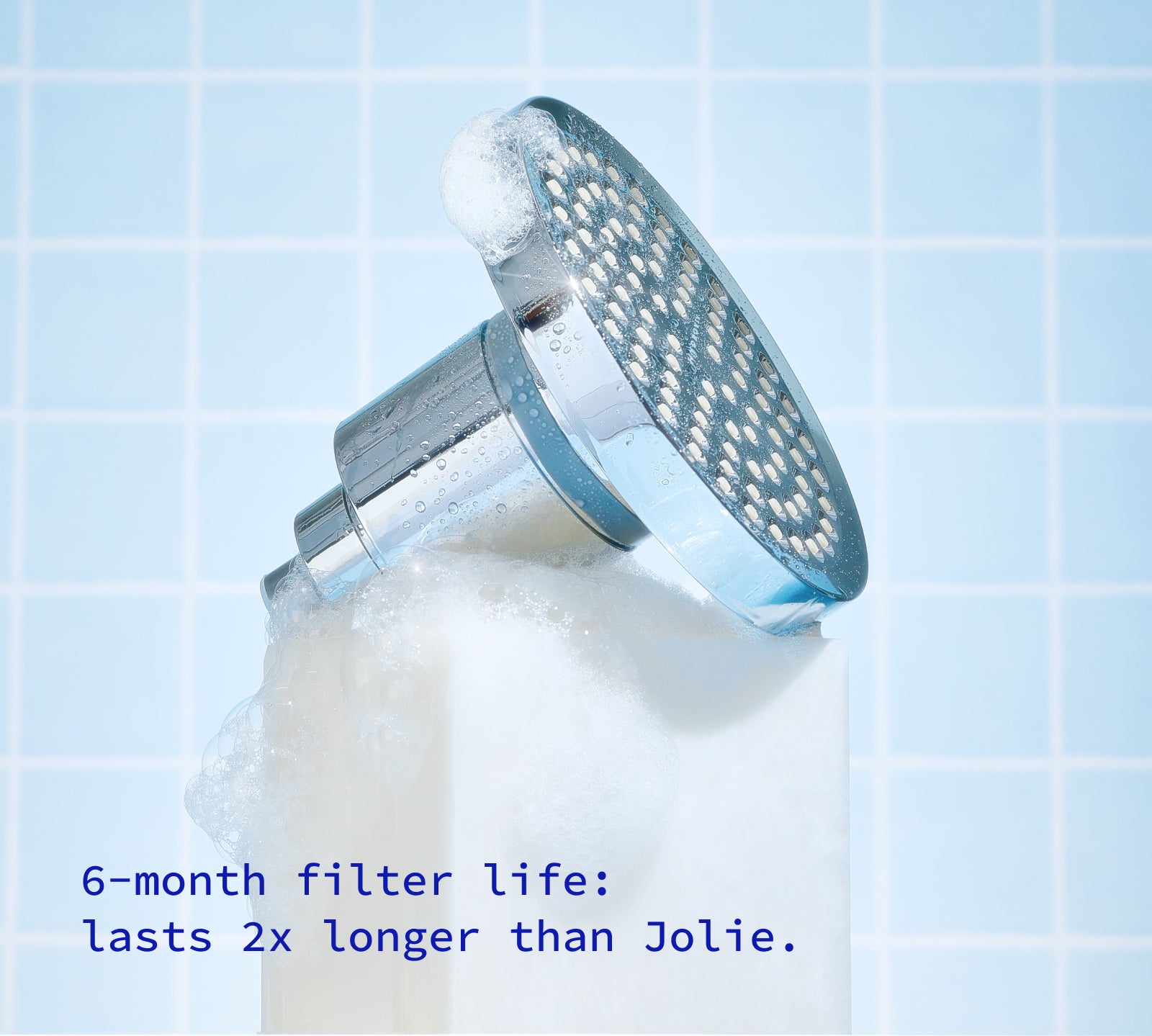
Most efficient showerheads use one of two methods. Aerating heads mix air with water, creating a misty, voluminous spray that feels fuller than it is. They can make 1.5 GPM feel like 2.5. The downside? They can cool the water slightly because of that air mix.
Laminar flow heads, on the other hand, create separate, solid streams of water. They use less air, so the temperature stays more consistent—great for steamy showers. The sensation is different: a steady, massaging stream rather than a mist. It’s a personal preference, honestly.
Faucets: The Aerator’s Tiny Universe
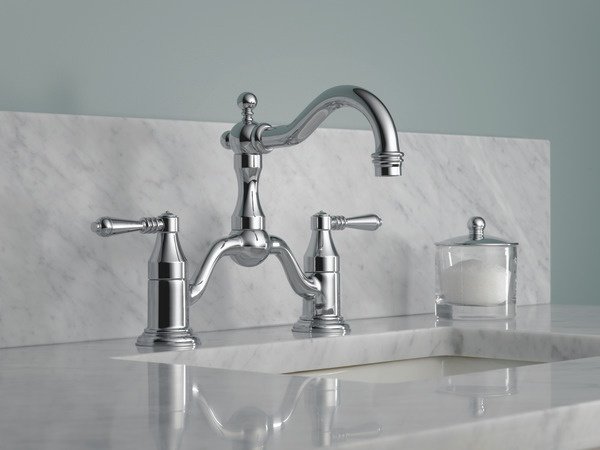
That little screen on the end of your faucet? It’s an aerator, and it’s a powerhouse of efficiency. It introduces air, reduces splashing, and can cut flow from a standard 2.2 GPM down to 1.0 or even 0.5 without you feeling like you’re waiting forever to fill a glass. The best ones have multiple chambers to really smooth and pressurize the stream.
Toilets: Gravity, Pressure, and the MaP Score
This is where the big water savings happen. Gone are the 3.5-gallon guzzlers. Today’s high-efficiency toilets (HETs) use 1.28 gallons or less per flush. They get there two ways: gravity-fed designs use improved bowl geometry and larger flush valves to move water faster. Pressure-assisted models use air pressure built up in a tank to create a forceful, effective flush.
And you must check the MaP (Maximum Performance) score. It’s a testing score that tells you how much solid waste a toilet can clear in one flush. Look for a score of 600 grams or higher. Trust me, this little number is the difference between a toilet that’s efficient and one that’s… problematic.
A Practical Guide to Selecting Your Fixtures
Okay, science lesson over. Let’s get practical. Walking into a showroom or scrolling through pages online can be overwhelming. Here’s how to break it down.
Start with the Standards (and Then Go Beyond)
In the U.S., look for the EPA WaterSense label. It’s a certification that guarantees the fixture meets strict criteria for performance and efficiency. It’s a fantastic starting filter. But don’t stop there. Some top-tier brands engineer products that perform better than the WaterSense baseline. Read reviews, look for that MaP score, and check flow rates.
| Fixture Type | WaterSense Standard (Max Flow/Flush) | What to Look For |
| Showerhead | ≤ 2.0 GPM | Spray pattern (aeration vs. laminar), finish quality, easy-clean nozzles. |
| Bathroom Faucet | ≤ 1.5 GPM | Aerator quality, ceramic disc valve for durability, spout reach. |
| Toilet | ≤ 1.28 GPF | MaP score (600g+), bowl wash technology, one-piece vs. two-piece design. |
Consider Your Home’s Plumbing
This is a big one. If you have older plumbing with lower water pressure, a pressure-assisted toilet or a specifically designed low-pressure showerhead might be necessary. For new construction or recent re-pipes, you have more flexibility. It’s worth asking a plumber—or at least knowing your home’s specs—before you fall in love with a fixture that needs 80 PSI to sing.
The Sensory Test (Yes, Really)
If you can, try before you buy. Feel the showerhead spray on your hand. Listen to the toilet flush—does it sound like a jet engine (pressure-assisted) or a smooth whoosh (gravity)? Operate the faucet handle. Is it smooth? Does it feel solid? Efficiency shouldn’t mean cheap construction. These are things you’ll interact with every single day.
The Ripple Effect: More Than Just Water Saved
Sure, the math on water savings is compelling. Swap out old fixtures for WaterSense-labeled models and an average family can save, what, 20,000 gallons a year? But the benefits cascade.
You’re also saving the energy used to heat all that water. That’s a double win on your utility bills. There’s less strain on your water heater and your home’s drainage system. In areas with water metering, the financial payback on these upgrades can be surprisingly fast. And then there’s the less tangible stuff—the simple peace of mind that comes from knowing your home isn’t wasting a precious resource every time someone brushes their teeth.
It’s a quiet upgrade. One that works in the background.
Wrapping It Up: Thoughtful Drops in the Bucket
Selecting water-efficient bathroom fixtures today is an exercise in having your cake and eating it too. You get performance, style, and conscience all in one package. The science has delivered us from the age of the disappointing drip.
The final choice, then, isn’t just about gallons and flow rates. It’s about aligning the hidden engineering with the daily experience of your home. It’s about listening for that efficient flush, feeling that satisfying spray, and knowing that modern comfort doesn’t have to come from a place of excess. In fact, the smarter approach often feels better in the end.