Let’s be honest—the dream home isn’t just about granite countertops anymore. It’s about flexibility. With more families embracing multigenerational living—whether it’s aging parents moving in, adult children staying longer, or grandparents helping with childcare—our houses need to work harder. They need to be chameleons, adapting to changing abilities and needs without feeling like a hospital wing.
That’s where adaptive and accessible design comes in. It’s not just about ramps and grab bars (though those are important!). It’s about creating a home that everyone, from a toddler to a grandparent with limited mobility, can navigate safely and call their own. Here’s the deal: a truly accessible home modification for seniors often benefits the whole family. Ever tried carrying groceries and a toddler up the steps? A zero-step entry would be a game-changer.
Why “Future-Proofing” Your Home Matters Now
We’re living differently. People are staying in their homes longer—it’s called “aging in place.” And at the same time, the cost of living is pushing generations together. This convergence means thinking ahead. A modification you make for your mom’s knee arthritis today might save your own back tomorrow. It’s practical foresight.
The goal? Universal design. That’s a fancy term for creating spaces usable by all people, to the greatest extent possible, without the need for adaptation. It’s seamless. Invisible, even. When done well, you don’t notice the accessibility features; you just notice how easy and comfortable the house feels.
Key Areas to Focus Your Modifications
1. The Entryway: First Impressions & Safety
This is the literal threshold. A steep stoop with narrow steps is a barrier—physically and psychologically. A zero-step entry, or even a gently sloping ramp, welcomes everyone. And it’s not just for wheelchairs. Think strollers, grocery carts, or someone just feeling unsteady.
Other tweaks here? Wider doorways (at least 36 inches), lever-style door handles (no gripping or twisting required), and bright, motion-sensor lighting. These are simple changes with massive impact.
2. The Heart of the Home: Kitchen & Bathroom
These are the high-use, high-risk zones. But they’re also where great design can shine.
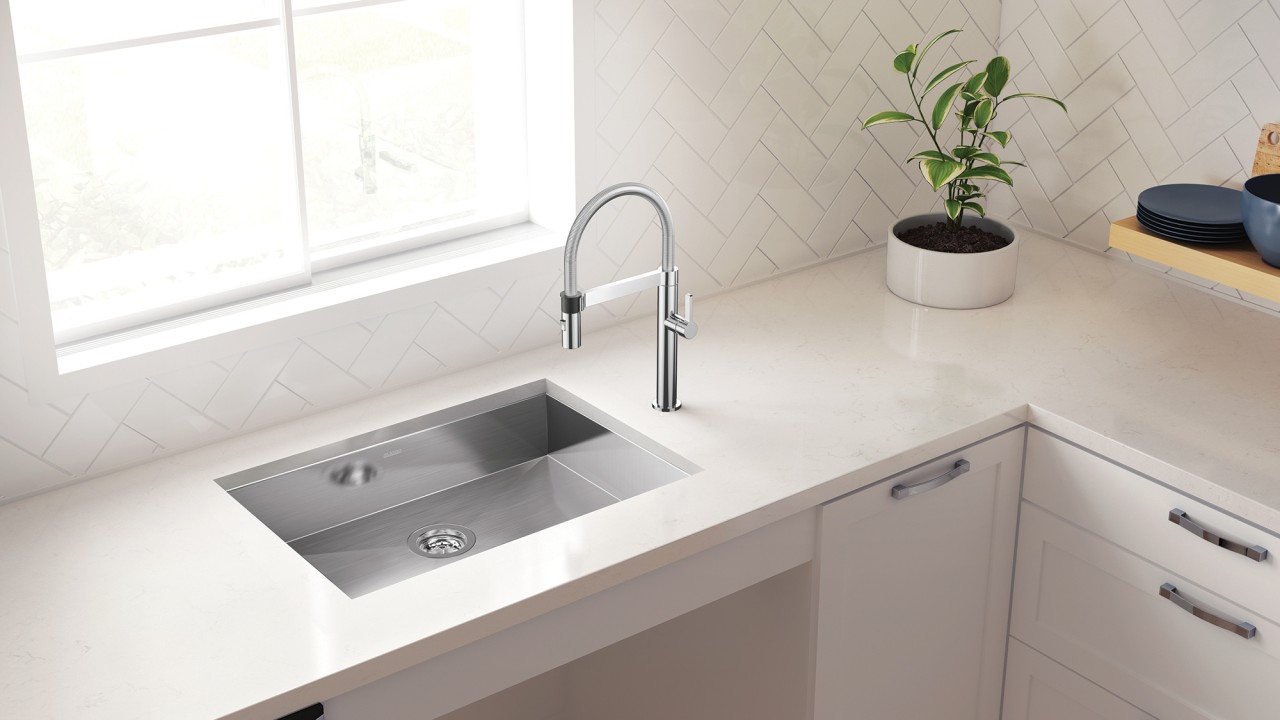
In the Kitchen: Vary countertop heights. A lower section for seated prep or a child’s art project, and standard height for others. Pull-out shelves and drawers are king—they bring contents to you, eliminating deep, awkward cabinet diving. Touch-or lever-operated faucets? A godsend for arthritic hands or when yours are covered in flour.
The Bathroom is Non-Negotiable: This is where falls happen. A walk-in shower with a bench and a handheld showerhead is the gold standard. You can add grab bars that double as stylish towel bars—really! And anti-scald valves on faucets protect sensitive skin and prevent accidental burns. Honestly, these are some of the best home safety modifications for elderly family members you can make.
3. Flow & Movement: Flooring and Doorways
Flooring is like the home’s foundation for movement. Plush carpet might feel cozy, but it’s a trip hazard and a nightmare for wheelchairs or walkers. Low-pile, firm carpet or smooth, slip-resistant hard surfaces (like luxury vinyl plank) are the way to go. Eliminate those pesky threshold transitions between rooms. You want a smooth, continuous surface.
And doorways—we mentioned width. But also consider pocket doors. They slide out of the way, saving space and making navigation a breeze in tight spots like bathrooms or bedrooms.
Smart Tech & Simple Solutions That Make a Difference
Technology is a huge ally in accessible multigenerational homes. It’s not all futuristic; much of it is just smart.
- Voice Assistants: Controlling lights, thermostats, or even making a call with just your voice? That’s independence for someone with limited mobility.
- Smart Locks & Doorbells: Grant access remotely, see who’s at the door without rushing. Peace of mind for everyone.
- Sensor Lights: Pathways that light up automatically at night. Simple. Brilliant.
- Medical Alert Systems: Wearable buttons that can summon help. It’s a safety net that lets everyone sleep easier.
And don’t overlook the simple stuff. Rocker light switches are easier to press. D-shaped cabinet pulls are easier to grip. Contrasting colors—a dark toilet seat on a light floor—help with depth perception. These small, affordable changes add up to a huge usability boost.
Balancing Needs & Wants: The Family Dynamic
Here’s the tricky, human part. Modifying a home isn’t just about physical changes; it’s about emotions. An older adult might resist changes that feel like an admission of decline. An adult child might feel overwhelmed by the cost and logistics.
Communication is key. Frame modifications as upgrades for everyone’s comfort and safety—which they are! Involve all generations in the planning. Maybe that first-floor bedroom suite becomes a sought-after space for guests or a quiet home office down the line. It’s about creating a home that supports each chapter of life.
To give you a quick visual, here’s a snapshot of common modifications and their multigenerational benefit:
| Modification | Primary Benefit | Wider Family Benefit |
| Zero-Step Entry | Wheelchair/Walker Access | Strollers, grocery carts, moving furniture |
| Walk-In Shower with Bench | Fall prevention, seated bathing | Easier to clean, bathing kids, a luxurious feel |
| Lever Door Handles | Arthritis-friendly | Hands-full convenience (carrying laundry, a baby) |
| Pull-Down Shelves in Kitchen | Reaches items without strain | Organized, visible storage for everyone |
| Smart Home Hub | Voice control for limited mobility | Hands-free convenience, energy savings, security |
The Takeaway: It’s an Investment in Connection
Adapting your home for multigenerational living isn’t just a construction project. It’s a profound investment in family. It says, “You belong here, and your comfort and independence matter.” These modifications tear down barriers—both physical and emotional—allowing relationships to flourish without the constant friction of an ill-fitting space.
Start small if you need to. Maybe it’s just adding grab bars in the bathroom this year, and planning for a wider doorway next. The point is to begin thinking with that flexible, future-focused mindset. Because a home that can bend without breaking is a home that can truly hold a family, through all of life’s twists and turns.