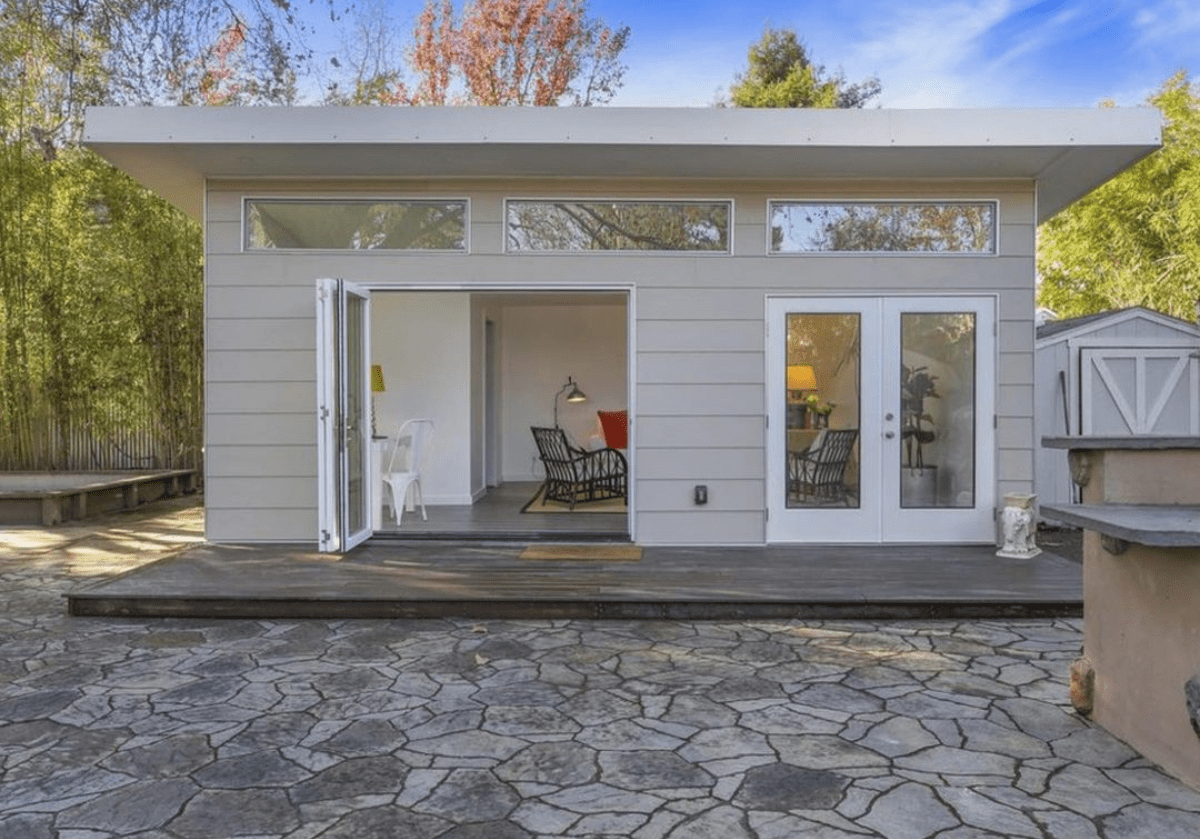
The ADU boom is reshaping neighborhoods. Honestly, it’s hard to miss. That backyard shed-turned-studio, the garage conversion, the sleek new detached unit—they’re popping up everywhere as homeowners seek extra space, rental income, or housing for family.
But here’s the deal: while everyone’s focused on floor plans and permits, the roof often becomes an afterthought. And that’s a costly mistake. The roof on your accessory dwelling unit isn’t just a hat; it’s the primary shield for your investment. Let’s dive into what you really need to consider.
Why Your ADU Roof Deserves First-Chair Attention
Think of your ADU roof like the foundation—but on top. Get it wrong, and everything underneath suffers. Leaks, poor energy efficiency, even legal headaches can follow. The goal isn’t just to slap on shingles; it’s to create a cohesive, durable, and smart system that works with your main house and your local climate.
Key Factors Shaping Your ADU Roofing Decision
A few major things will steer your choices. They’re all interconnected, you know?
- Local Codes & Setbacks: This is the big one. Many cities have strict rules on height, fire ratings for attached units, and even aesthetic “matching” requirements. Your dream metal roof might be a no-go if the code demands materials similar to the primary residence.
- Attachment Type: Is it a detached ADU, a garage conversion, or an attached addition? A conversion might mean working with an existing roof structure, while a new build offers a blank slate.
- Budget & Long-Term Value: Sure, upfront cost matters. But weigh it against lifespan and maintenance. A cheaper roof that needs replacing in 15 years might not be the bargain it seems.
- Climate & Weather Patterns: Heavy snow? Intense sun? Coastal salt air? Your roofing material needs to be a local.
Material Match-Up: Choosing Your ADU’s Crown
Alright, let’s talk materials. Each has its personality—and its price tag.
| Material | Best For… | Considerations |
| Asphalt Shingles | Cost-effectiveness, code-matching, ease of installation. | Ubiquitous for a reason. Great for blending styles. Lifespan is shorter (15-30 yrs). |
| Metal Roofing | Longevity, snow shedding, modern aesthetics, fire resistance. | Higher upfront cost, but can last 40-70 years. Can be noisy in rain (unless properly insulated). |
| TPO/PVC (Single-Ply) | Low-slope or flat roofs on garage conversions, excellent energy reflectance. | Needs professional installation to avoid seams. Fantastic for energy efficiency. |
| Clay or Concrete Tile | Durability in hot climates, specific architectural styles (Spanish, Mediterranean). | Very heavy. The existing structure must support the weight. Premium price. |
| Built-Up or Modified Bitumen | Traditional low-slope solutions, often for conversions. | Durable but labor-intensive. Less common in new residential ADUs now. |
Honestly, don’t just default to what’s on your house. An ADU can be a chance to choose a more modern, efficient material that might’ve been too pricey for the whole main house. That said, if matching is mandated, architectural asphalt shingles can offer a great upgraded look.
The Integration Puzzle: Making Two Roofs Look Like One
This is where artistry meets construction. For attached ADUs, the goal is a seamless flow. It’s not just about color. The roof pitch, the drip edge, the trim details—they all need to converse. A good roofer will treat the connection point (the valley) with extreme care to prevent future leaks. It’s the most vulnerable spot.
For detached units, you have more freedom. But think about visual harmony. A wildly different style might stick out… and not in a good way. The roof can complement the main house without being a clone.
Beyond Shingles: Critical Systems You Can’t Ignore
The covering is just the surface. What’s underneath and around it matters just as much.
- Ventilation: This is non-negotiable. A small, tight ADU needs proper attic or roof cavity ventilation to prevent moisture buildup and heat trapping. Think ridge vents, soffit vents—the whole system. Poor ventilation cooks your shingles from below and makes cooling a nightmare.
- Insulation: Goes hand-in-glove with ventilation. For many ADUs with limited space, spray foam applied to the roof deck itself (creating a “hot roof” assembly) is a popular, efficient solution. It maximizes interior space and seals things tight.
- Drainage & Gutters: Where does the water go? You must direct it away from both ADU and main house foundations. Sometimes, tying into the existing downspout system is easy. Other times, you need a completely new drainage plan. Don’t create a moat.
- Solar Readiness: Thinking about adding solar panels later? Maybe now or in five years? Discuss this with your roofer. Installing a solar-ready roof might mean reinforcing the structure or choosing a material that integrates with mounts easily. Future-you will be grateful.
Navigating the Practical Headaches (and Solutions)
Let’s get real. ADU roofing comes with unique logistical puzzles.
Access: Is the ADU tucked deep in the backyard? Getting materials back there can be a chore. Conveyor belts? Carried by hand? This impacts time and cost. There’s no room for a giant delivery truck.
Existing Trees: Beautiful, mature trees are a blessing… and a curse. Overhanging branches are a threat to any new roof. You might need to budget for trimming or even removal—and that’s a whole other conversation.
Contractor Clarity: Be crystal clear: who is responsible for the roof? Your general ADU contractor? Or a specialized roofing sub? Ensure the roofing work is in the contract with specific materials, warranties, and a schedule. A handshake won’t cut it.
A Thought to End On
The ADU movement is, at its heart, about smartly using space to create homes and opportunity. That smartness has to extend all the way to the top—to the layer that stands between that opportunity and the storm. Your roof choice is a quiet commitment to the longevity and comfort of the life happening underneath it. It’s worth the thought.