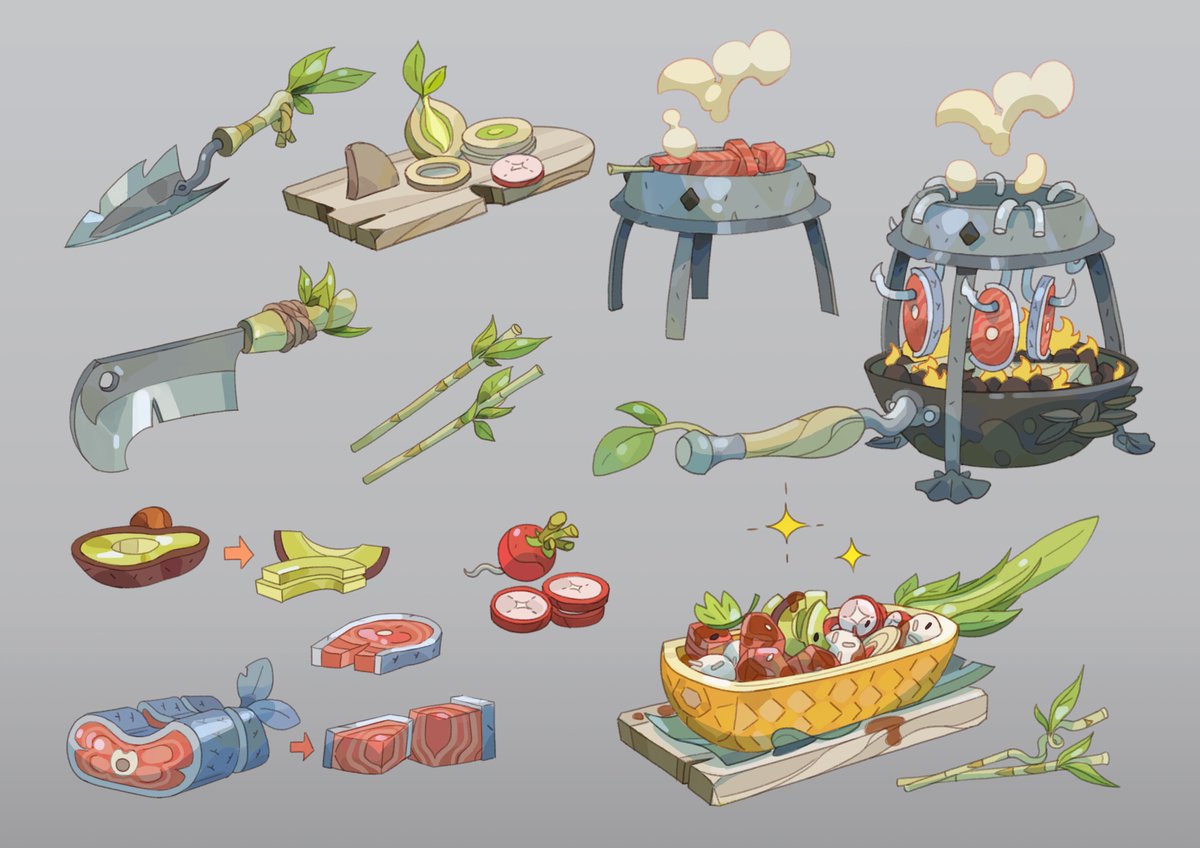
Let’s be honest. When we build a world—whether it’s for a fantasy novel or a sprawling RPG—we obsess over maps, magic systems, and political intrigue. But we often treat food as an afterthought. A generic “stew” here, a “mug of ale” there. That’s a missed opportunity. Cuisine isn’t just background detail; it’s a direct line to culture, history, and character. It’s world-building you can taste.
Think about it. What people eat tells you everything: their geography, their economy, their social structure, even their deepest taboos. Creating a fictional cuisine, then, is one of the most powerful tools in your creative pantry. It adds a layer of sensory, tangible realism that readers and players will remember long after they’ve forgotten the name of the third king. So, let’s dive in and get cooking.
Why Food Matters More Than You Think
Food is never just fuel. In a story or game, it’s a multi-purpose device. It can establish setting in a single line—a character chewing on salty dried kelp tells you you’re near the sea without needing a geography lesson. It can reveal class tension: the nobility dines on shimmer-fish poached in moondew wine, while the undercity folk make “gutterbread” from ground tuber rinds and whatever protein scurries by.
It can drive plot. A poisoned delicacy, a contested spice trade route, a sacred grain that must be harvested before the twin suns set… these are compelling hooks. For gamers, especially in tabletop RPGs, food is an incredible tool for immersion. Describing the smoky, pungent aroma of a tavern’s nightly pot can make players feel present in a way another combat encounter might not.
The Core Ingredients of a Believable Cuisine
You don’t need to be a chef. You just need to think like an ecologist and an anthropologist. Start with these foundational questions:
- Geography & Climate: What grows here? Is it a arid desert relying on hardy cacti, deep-rooted grains, and preserved meats? A fungal forest where giant mushrooms form the dietary staple? A coastal city with a hundred ways to prepare shellfish?
- Available Technology: Can they ferment, freeze, or can food? Is cooking done over open flames, magical heat-stones, or solar forges? This limits and defines their culinary palette.
- Trade & History: Has this culture been isolated? Conquered? A trade hub? An invaded land might have a native dish now made with an imported spice, creating a complex, layered history on the plate. It’s a quiet way to show past conflicts and connections.
- Religion & Taboos: Are certain animals sacred? Are there fasting periods? Is mixing certain flavors considered heretical? These rules create immediate conflict and cultural texture.
A Practical Recipe for Invention
Okay, theory is great. But how do you actually make the food? Here’s a simple, three-step method you can use right now.
1. Mash-Up Real-World Inspirations
Don’t create from a vacuum. Combine two or three real-world culinary traditions from similar biomes. Maybe your mountain dwarves have a cuisine that blends Himalayan resilience with Alpine cheesemaking and a dash of Incan preservation techniques. The result feels familiar yet distinctly new. This is a fantastic method for creating unique fantasy dishes that still feel grounded.
2. Define a Signature Staple, Spice, and Protein
Give your culture a “holy trinity” of ingredients. For example:
| Culture | Staple | Signature Flavor | Protein Source |
| Sun Elves of the Canopy | Sunseed (a nutty, photosensitive grain) | Sun-cured citrus rind | Avians (flightless birds) & cultured glen-milk |
| Gritfolk of the Ash Wastes | Rock-rice (grown in mineral springs) | Smoked salt & bitter ash-pepper | Burrowing lava-worms & hardy goat analogs |
This framework gives you a starting point for virtually any meal. A Sun Elf breakfast might be sunseed porridge with glen-milk and a sprinkle of citrus dust. Simple, but it immediately feels cohesive.
3. Consider the Eating Experience
How do people eat? With hands? With two sticks? With a ceremonial dagger? Is food shared from a common pot, or served in individual portions? Are there strict dining rituals? A nomadic culture might prize finger-foods and shared platters, while a rigid imperial court might have seventeen courses, each with a specific utensil. This is where your cuisine truly comes to life at the table—both the fictional one and your gaming table.
Beyond the Plate: Food as a Game Mechanic
For game masters and video game designers, food can be so much more than flavor text. Honestly, it’s a system waiting to be used. In tabletop RPGs, you can move beyond simple “healing potions.”
- Buff Foods: A Hunter’s Stew might grant advantage on Perception checks for tracking for the next 8 hours. Spiced Void-Coffee could allow a caster to regain one low-level spell slot, but with the jittery side effect of a slight penalty to Concentration.
- Social Currency: Knowing how to procure or prepare a rare dish can be a key skill for diplomacy. Offering a superior grade of fermented spider-egg sauce might be the only way to gain an audience with a reclusive hive-queen.
- Quest Hooks & Survival: The search for a single vanilla-like orchid to flavor the royal wedding cake can be an epic adventure. In survival games, sourcing safe ingredients is the core gameplay loop.
Avoiding the Pitfalls (Or, Don’t Serve a Bland Stew)
Here’s the deal. A little goes a long way. You don’t need to detail every meal. The key is specificity. Instead of “they ate meat and bread,” try “they tore into strips of leathery salt-jerky and hard tack softened in bitter beer.” See the difference? One is generic. The other implies a lifestyle.
Also, think about logistics. A massive feast in a famine-struck land breaks immersion unless it’s specifically meant to show grotesque inequality. Let the food reflect the reality of the world you’ve built. Consistency matters more than extravagant invention.
The Last Bite: Making It Memorable
To truly stick with your audience, attach food to memory and emotion. A character’s nostalgic comfort food. A dish served only at a tragic festival. The rations a party survives on during a grueling trek, which they’ll later look back on with a weird fondness. That’s the gold.
Culinary world-building, at its best, is subtle. It’s the quiet spice in the narrative stew. It doesn’t shout for attention, but without it, the world feels just a bit less alive, less textured, less… human. Even if your characters are all elves, dwarves, or aliens.
So, next time you sketch a map or outline a faction, ask yourself: what’s cooking in that pot over the fire? The answer might just be the secret sauce your creation was missing.