Your roof isn’t just shingles and sheathing. In the face of hurricanes, hail, blizzards, or blazing sun, it becomes your home’s first and most critical line of defense. Honestly, choosing the right roofing solution for an extreme climate isn’t just about aesthetics—it’s about resilience, safety, and, let’s be real, peace of mind.
Here’s the deal: a one-size-fits-all approach simply doesn’t cut it. The best roof for the scorching, dry Southwest would be a disaster in a heavy snow load region. So, let’s dive into the materials, designs, and smart strategies that turn a roof from a passive covering into an active weather-fighting system.
Understanding the Enemy: Climate-Specific Threats
Before we talk solutions, we need to diagnose the problem. Extreme weather comes in different flavors, each with its own destructive signature.
High-Wind & Hurricane Zones
Think coastal regions. The threat here isn’t just rain, but uplift—the terrifying force that tries to peel your roof off like a lid. It’s all about aerodynamics and attachment.
Heavy Snow & Ice Regions
Weight and water intrusion are the killers. Snow load is measured in pounds per square foot, and ice dams—those ridges of ice at your eaves—can force meltwater right back under your shingles.
Intense Hail Belts
Often in the central plains and mountain states. Hail is like a celestial bombardment, testing the impact resistance of your roofing material. It’s not just about immediate damage, but the granular bruising that shortens a roof’s life.
Extreme Heat & UV Exposure
Prolonged sun bakes roofing materials, causing rapid thermal cycling (expansion and contraction) and UV degradation. Energy efficiency becomes a huge part of the roofing conversation here.
Material Matters: The Right Armor for the Battle
Okay, so what actually works? Well, modern roofing materials are engineered for these specific fights. Here’s a breakdown.
| Climate Threat | Recommended Materials | Key Benefits |
| High Winds/Hurricanes | Metal Roofing (standing seam), Impact-Resistant Asphalt Shingles (Class 4), Concrete Tile | Superior interlocking, high wind ratings, minimal uplift. Metal roofs can be rated for 140+ mph winds. |
| Heavy Snow/Ice | Metal Roofing, Synthetic Slate, SBS-Modified Bitumen (low-slope) | Slick surfaces shed snow, high load-bearing strength, excellent waterproofing layers. |
| Hail | Class 4 Impact-Rated Shingles, Metal (certain profiles), Rubber (EPDM) | Tested to withstand 2″ steel ball strikes without functional damage. Metal dents but rarely breaches. |
| Extreme Heat/UV | Clay/Concrete Tile, Metal (with reflective coatings), Cool Roof Shingles | High thermal mass, reflective surfaces that lower attic temps, UV-resistant coatings. |
Metal roofing, honestly, is a bit of an all-star here. It performs well in almost every extreme category—except maybe for hail denting aesthetics, which some homeowners actually like the weathered look of. That said, it’s an investment.
And don’t overlook synthetics—polymer composites or rubber. They’re getting really good. They mimic slate or wood but with crazy impact resistance and often Class A fire ratings to boot.
Beyond the Shingle: System-Wide Strategies
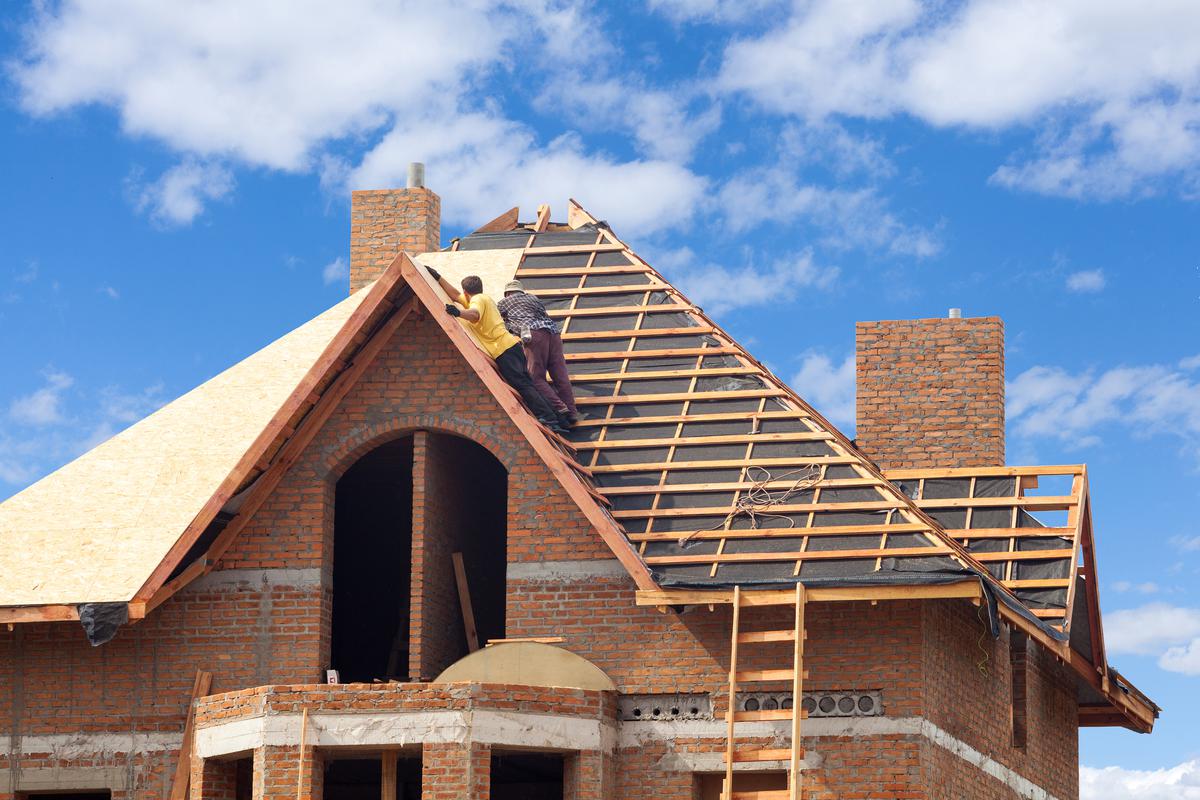
The covering is just the visible part. The real magic—or the tragic failure—happens underneath. A holistic approach is non-negotiable.
The Underlayment: Your Secret Waterproofing Layer
This is the water-resistant barrier nailed directly to your roof deck. For extreme weather, skip the basic felt paper. You want synthetic underlayments. They’re tougher, more slip-resistant (a big deal for installers on steep roofs), and offer better protection if water gets behind the shingles.
In ice dam-prone areas, consider an ice and water shield. It’s a self-adhering membrane that seals around nails—a crucial line of defense along eaves, valleys, and penetrations.
Attachment is Everything
More fasteners, and better fasteners. In high-wind zones, this often means six or eight nails per shingle instead of four, or specially designed clips for tiles. The connection between every layer, from the deck to the underlayment to the final material, must be engineered for the specific wind loads in your area. It’s the difference between losing a few shingles and losing the whole roof.
Ventilation & Insulation: The Unsung Heroes
A hot, poorly ventilated attic is a roof’s silent killer. In snow country, it contributes directly to ice dams by melting snow unevenly. In heat, it bakes your shingles from below, cutting their life short. Proper intake (at the eaves) and exhaust (at the ridge) ventilation creates a cooling flow of air. Pair that with ample attic insulation at the floor, and you’re managing the temperature of the entire roof assembly. It’s a must-do.
Design & Shape: How Form Follows Function
You know, the actual shape of your roof plays a huge role. Complex roofs with valleys, dormers, and low slopes create more opportunities for water to pool or wind to get a grip. Simpler is often stronger.
Steeper slopes are better for shedding rain and snow quickly. Hip roofs (sloped on all sides) generally perform better in high winds than gable roofs, which have a vertical wall that can catch wind like a sail. It’s an aerodynamic thing.
For new construction in extreme climates, working with an architect who understands these forces is worth its weight in gold—or in saved repair bills.
A Final, Crucial Thought: Installation & Maintenance
The best material in the world, installed poorly, is a liability. You must, and I can’t stress this enough, work with a contractor who has proven experience in your specific climate challenges. Ask for references from jobs that weathered the last big storm. Check for proper licensing and insurance.
And then, maintain it. Even a fortress needs a lookout. Bi-annual inspections (especially after a severe weather event), keeping gutters clean, trimming overhanging branches—these simple acts are the low-cost, high-reward rituals of homeownership in an extreme climate.
In the end, your roof is a long-term conversation with the sky. It’s a negotiation between shelter and storm. Choosing the right solutions isn’t about finding something that never needs attention; it’s about building in the strength and grace to handle what the world throws at it, year after year. That’s not just smart building. It’s a form of foresight, a way of rooting your home more deeply into the landscape, come rain, wind, or shine.