Let’s be honest. When you picture a home plumbing project, you think of fixing a leaky faucet or maybe installing a new showerhead. But for the hobbyist who’s turned a garage or spare room into a craft sanctuary, standard plumbing just doesn’t… cut it. The needs are different. The stakes feel higher. That beautiful stout you’re brewing, the vibrant yarn you’re dyeing, the delicate clay you’re throwing—they all demand a tailored approach to pipes, drains, and water quality.
Here’s the deal: specialized plumbing for hobbyist spaces isn’t just a luxury; it’s the foundation for safety, efficiency, and pure creative joy. It’s about designing a system that works with your craft, not against it. So, let’s dive into the unique needs of these spaces and how to get your waterworks flowing right.
Why “Standard” Plumbing Falls Short for Crafts
Think of your home’s plumbing like a commuter sedan. It’s reliable for the daily grind. But if you’re hauling equipment or navigating rough terrain, you need a different vehicle. Same principle applies here. Homebrew setups, for instance, involve moving large volumes of hot and cold water, often simultaneously. A standard 1/2″ supply line might struggle, creating frustrating bottlenecks during a critical cooling phase.
And the drains? Oh, the drains. Ceramics studios produce “slip”—a slurry of fine clay particles that settles and hardens like concrete in standard pipes. Textile dye studios deal with intense pigments and, sometimes, mordants that you simply can’t pour down a kitchen sink. The wrong setup leads to clogs, environmental concerns, and honestly, a real buzzkill for your creative flow.
Tailored Systems for Three Passionate Hobbies
1. The Home Brewery: Precision and Temperature Control
For brewers, water isn’t just an ingredient; it’s the canvas. The plumbing focus here is on volume, temperature, and sanitation. You need to move water fast and control its heat with precision.
- Key Consideration: Dedicated Lines & Fixtures. Installing a dedicated cold-water line with a ball valve (a brewers’ best friend) allows for quick, easy connection and disconnection of hoses. A nearby floor drain is non-negotiable for spills and cleaning.
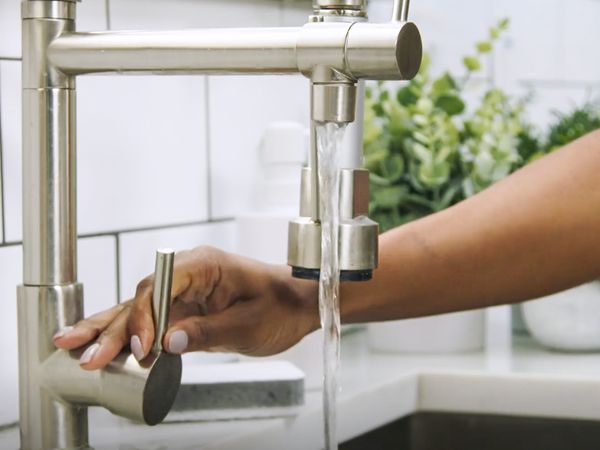
- Key Consideration: The Utility Sink. This is the workhorse. A deep, stainless-steel slop sink with a high-arc faucet and a pre-rinse sprayer handles everything from cleaning kegs to filling carboys. Make sure it’s rated for heavy-duty use.
- Material Matters: For any post-boil plumbing (like lines to fermenters), consider sanitary tubing like silicone or specific food-grade plastics. Copper is great for supply but can be tricky for wort due to cleaning challenges.
2. The Fiber Arts & Dye Studio: Containment and Filtration
This space is a symphony of color, but the plumbing needs to handle potential mess and environmental responsibility. The goal is to contain and filter, not just drain.
Wastewater management is the #1 priority. Many synthetic dyes and chemical mordants shouldn’t enter the municipal system. The solution? A multi-basin sink setup is ideal. The first basin catches the initial, highly pigmented runoff. The second, with cleaner water, is for rinsing. You can then let pigment settle in the first basin before disposing of solids properly.
Fixtures here benefit from hands-free or easy-operation designs—think pedal-operated faucets or long levers you can nudge with an elbow. When your hands are stained indigo, you don’t want to touch delicate knobs. And honestly, a large, deep, and durable sink material (like porcelain or reinforced composite) withstands pots, dye baths, and constant use.
3. The Ceramics & Pottery Studio: The Battle Against Slip
Clay is plumbing’s ancient nemesis. It’s abrasive, it expands when wet, and it hardens rock-solid. A standard P-trap will become a clay-filled paperweight in no time.
The hero of the ceramics studio is the clay trap. This is a specialized, oversized drain fitting—often a bucket or barrel installed inline under the sink—that captures the heavy clay particles before they enter your main drain line. You simply empty and clean the trap regularly. It’s a simple device that saves thousands in plumbing bills.
Your sink itself should be a clay-slinger’s dream: a deep, wide basin with a heavy-duty grate. Wall-mounted sinks are popular as they allow for easy floor cleaning underneath. And the faucet? Go for a commercial-style pre-rinse sprayer with a long hose. The pressure helps blast clay off tools and hands.
Essential Components & Pro Tips
Across these hobbies, some common threads emerge. Here’s a quick breakdown of critical components:
| Component | Best Use Case | Why It Works |
| Floor Drain | Brewery, Ceramics | Handles major spills, floods, and messy clean-up. A total game-changer for wet spaces. |
| Pedal-Operated Faucet | Dye Studio, Ceramics | Promotes hygiene and convenience when hands are full or dirty. Saves water, too. |
| Sand/Clay Interceptor | Ceramics | The essential trap for capturing heavy solids. Absolute must-have. |
| Tankless Water Heater | Brewery, Dye Studio | Endless hot water for cleaning, brewing, or dye baths. Saves space and energy. |
| Hose Bibs with Vacuum Breakers | All Spaces | Safe, code-compliant connections for hoses. Prevents backflow into your home’s water. |
A few pro tips before you start sketching plans? Sure. First, always check local codes. Especially for dye waste or commercial-grade equipment. Second, plan for more drainage than you think you need. It’s cheap to install during a build, painfully expensive to retrofit. And third, think about water filtration upfront—brewers might want a carbon filter, while dyers might need a sediment filter, depending on their local water.
The Flow of a Well-Planned Space
Ultimately, specialized plumbing for your hobbyist space is about removing friction. It’s about spending your mental energy on the craft, not on wrestling with a slow drain or worrying about contaminating your latest brew. It transforms your workspace from a makeshift area into a true, functional extension of your passion.
That said, the investment pays dividends in pure, uninterrupted making. The gentle hiss of a sprayer cleaning a muddy wheel, the steady stream of perfect-temperature water filling a mash tun, the clean containment of a vibrant dye bath—these are the small symphonies a well-plumbed space allows. It’s the unsung hero behind every great creation, quietly ensuring that the only thing flowing better than the water is your creativity.