Let’s be honest. When you picture an urban homestead, you probably think of lush raised beds, clucking chickens, and maybe a compost bin. Plumbing? Not so much. But here’s the deal: water is the lifeblood of your backyard food system. How you manage it—how you source it, conserve it, and reuse it—can make or break your sustainability goals.
Sustainable plumbing isn’t about complex, expensive overhauls. It’s about working smarter with the water you have. It’s a mindset shift, really. From seeing rainwater as a nuisance to viewing it as a resource. From watching greywater swirl down the drain to directing it to your thirsty fruit trees. Let’s dive into the practical, doable ways to weave water wisdom into your homestead.
The Core Philosophy: Closing the Water Loop
Think of your property as a tiny, self-contained watershed. The ideal? To capture, use, reuse, and infiltrate as much water as possible right where it falls. This “closed-loop” thinking reduces your strain on the municipal supply (saving you money) and eases pressure on stormwater systems. It’s resilience, literally on tap.
Rainwater Harvesting: Your First, Best Step
This is the low-hanging fruit, and honestly, it’s a game-changer. Capturing rainwater for irrigation is a no-brainer for any urban food production setup. The water is free, soft, and devoid of chlorine—plants absolutely love it.
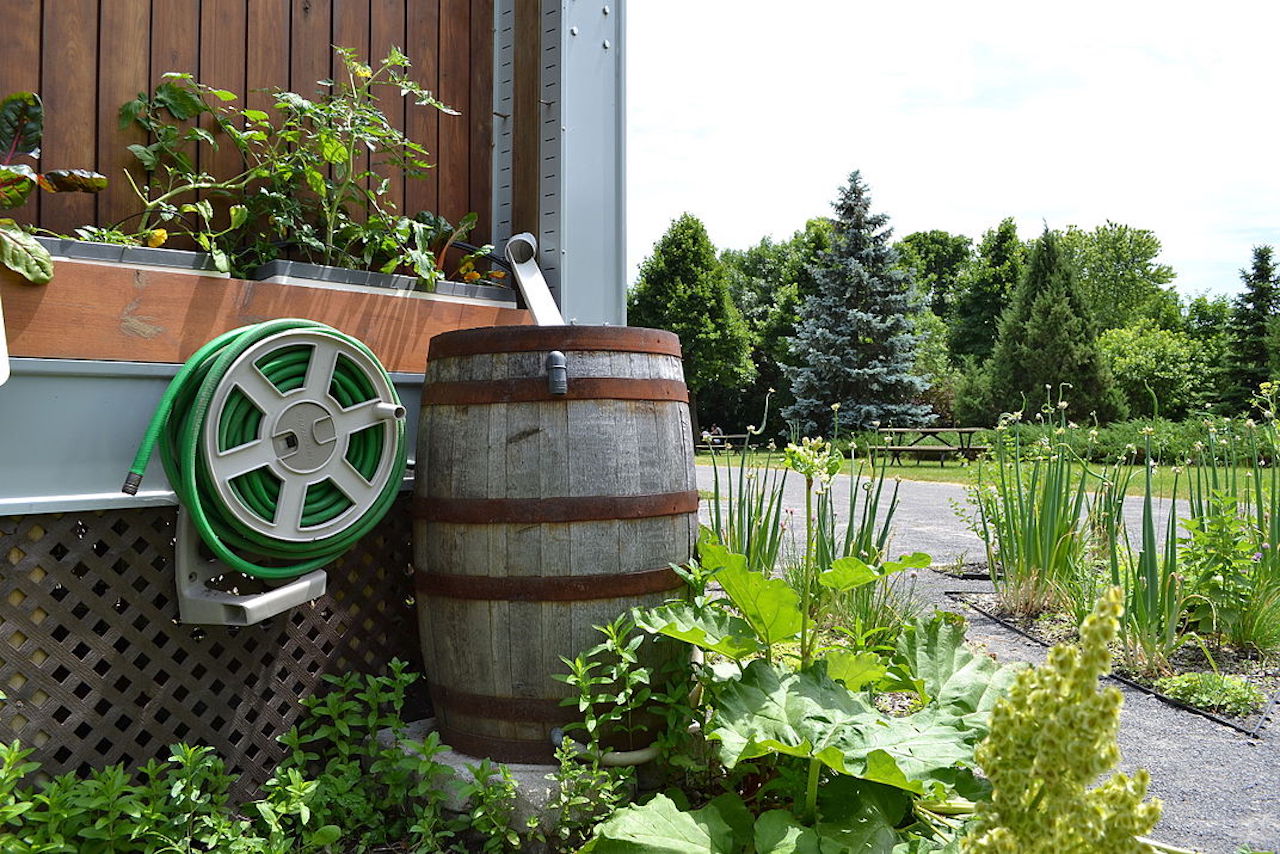
You don’t need a fancy, thousand-gallon system to start. A simple barrel under a downspout works. But if you’re serious, linking multiple barrels or installing a larger cistern can supply a significant portion of your seasonal watering needs. Just remember a few key points:
- First Flush Diverter: This little device routes the initial, dirty roof runoff away from your tank. It’s crucial for water quality.
- Mosquito-Proofing: Fine mesh screens on all inlets are non-negotiable. Seriously.
- Overflow Plan: Where will the water go when your tank is full? Direct it to a rain garden or a specific planting zone.
Greywater Systems: The Controversial Goldmine
Greywater—the gently used water from showers, sinks, and washing machines—is often misunderstood. With basic, safe practices, it can be a reliable irrigation source for non-edible plants or even fruit trees (with root-zone irrigation). The key is using plant-friendly, low-sodium soaps and avoiding bleach.
Now, systems can range from laughably simple to quite complex. The simplest method? The “bucket in the shower” trick to water ornamentals. A more permanent setup might involve a laundry-to-landscape system, which redirects your washing machine discharge directly to mulch basins around trees. It’s not for every crop, but for deep-rooted perennials, it’s a lifesaver during dry spells.
| System Type | Best For | Key Consideration |
| Simple Bucket Capture | Small-scale, manual watering of ornamentals or trees. | Immediate use; don’t store greywater. |
| Laundry-to-Landscape (L2L) | Irrigating fruit trees, shrubs, & large perennials. | Must use greywater-safe detergents; check local codes. |
| Branched Drain Gravity System | Whole-house greywater for multiple landscape zones. | Requires skilled installation & permits. |
Efficient Fixtures & Mindful Use
Before you even think about reusing water, you’ve got to stop wasting it. This is the unsexy, utterly essential foundation. Swapping out old fixtures is a quick win.
- Low-Flow Aerators: On every sink. They cut flow by half, and you’ll never notice the difference.
- High-Efficiency Toilets: Or, for the true DIY homesteader, a composting toilet, which eliminates water use for waste entirely and creates… well, compost.
- Water-Smart Appliances: An Energy Star washing machine uses far less water per load, making any greywater you harvest from it more concentrated with soaps—something to be aware of.
The “Pre-Use” Hack: A Trick Everyone Forgets
Here’s a tiny habit with a big impact. While waiting for your shower water to heat up, catch the cold water in a bucket. Use it to fill pet bowls, water houseplants, or top off the kettle. It’s not a system, but it’s a mindset. And that’s what this is all about.
Designing Your Landscape as a Sponge
Your plumbing doesn’t stop at your pipes. It extends into your garden’s soil. Sustainable plumbing for food production means designing landscapes that hold water.
Swales and Berms: These are basically shallow ditches and mounds dug along the contour of your land. They slow, spread, and sink rainwater runoff, preventing erosion and recharging groundwater right where you need it.
Deep Mulching: A thick layer of organic mulch is like a blanket for your soil. It dramatically reduces evaporation, suppresses weeds, and as it breaks down, improves the soil’s water-holding capacity. It’s passive water banking.
Drip Irrigation & Soaker Hoses: If you must supplement, use these. They deliver water directly to the root zone with minimal evaporation or runoff. Pair them with a rainwater tank and a simple timer, and you’ve got an automated, low-impact system.
Navigating the Practical Realities: Codes and Safety
Okay, time for a reality check. Local plumbing codes vary wildly. Some cities embrace greywater systems and even offer rebates for rainwater tanks. Others… not so much. You absolutely must check regulations before installing anything beyond a rain barrel. It’s a boring step, but skipping it could lead to costly fines or having to dismantle your hard work.
And then there’s safety. The golden rule? Greywater is for irrigation, not for direct contact. Use it for subsurface irrigation or for ornamental plants. For edible crops, especially root vegetables or leafy greens, stick to rainwater or potable water. It’s just not worth the risk.
Wrapping It All Together
So what does this look like in practice? Imagine a typical week on your urban homestead. Rain falls, and your cisterns fill. You shower, and the greywater heads out to nourish the fig tree. You do laundry, and that water flows to the berry bushes. The sink’s cold water pre-run fills the chicken’s waterer. Every drop has a purpose, a second act.
Sustainable plumbing, in the end, is about respect. It’s a quiet, daily acknowledgment that water is precious—not a commodity that appears magically from a tap. It connects your home’s inner workings directly to the life flourishing just outside your door. You start to see the cycle, feel it. And that connection, well, that might just be the most valuable yield your homestead ever produces.