Let’s be honest—bathrooms have come a long way. From purely functional (and often chilly) spaces to personal sanctuaries, their evolution is a fascinating peek into changing tastes and technologies. And here’s the deal: the best modern designs often aren’t about reinventing the wheel. They’re about looking back, with a fresh eye.
That said, today we’re diving into the past. We’ll explore some iconic historical bathroom elements and see how designers are cleverly, and beautifully, bringing them into the 21st century. It’s less about strict reproduction and more about capturing a feeling.
The Grand Statement: Clawfoot Tubs
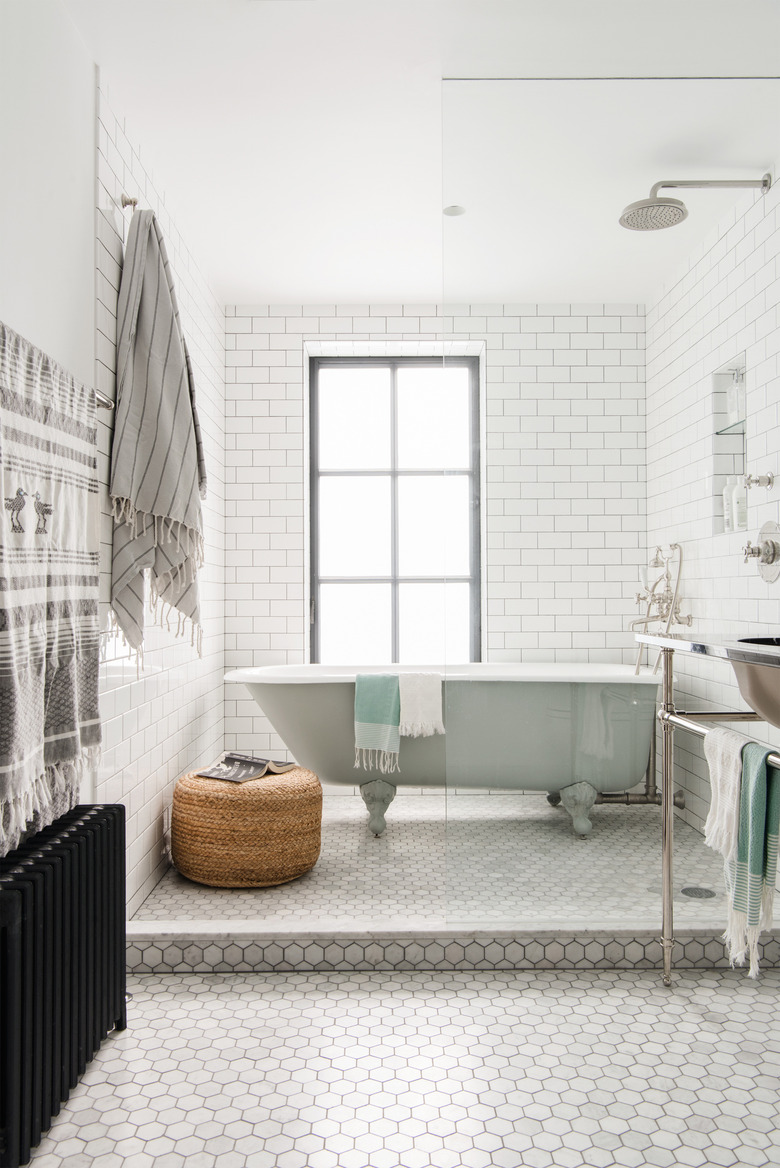
You know the image. That majestic, freestanding tub perched on ornate feet, like a porcelain throne. The classic clawfoot tub, a staple of Victorian and Edwardian bathrooms, was a symbol of luxury and plumbing progress. It was all about the ritual of bathing.
But, well, they weren’t exactly practical for everyone. Heavy, often hard to clean around, and they demanded a large space.
The Modern Take
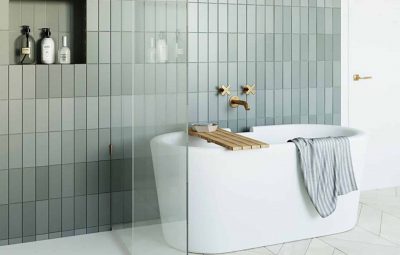
Today’s reinterpretation keeps the drama but ditches the fuss. Modern freestanding tubs capture that sculptural, centerpiece quality but with cleaner lines. You’ll see:
- Material Innovation: Instead of just cast iron, they come in sleek acrylic, smooth stone resin, or even warm wood accents.
- Streamlined Silhouettes: The “clawfoot” might become a simple, blocky pedestal, a sleek skirt, or even a minimalist “ball and claw” in brushed metal.
- Function Forward: Integrated overflow, built-in armrests, and deeper soaks cater to contemporary comfort. The placement is key—often positioned to enjoy a view, making the bath an experience again.
Intricate & Imperfect: Subway Tile & Penny Round
Early 20th-century public bathrooms, subway stations, and hospitals relied on these tiles for good reason. They were durable, hygienic, and relatively cheap to install. The 3×6 subway tile and the tiny mosaic penny rounds were workhorses.
Their charm, though, came from the hand of it. Slight color variations, uneven grout lines, a sense of something crafted, not mass-produced.
The Modern Take
These are perhaps the biggest comeback kids in bathroom design. But their modern use plays with scale, layout, and texture to avoid a purely retro look.
| Historical Element | Traditional Use | Modern Reinterpretation |
| Subway Tile | White, brick-pattern, glossy finish, often just a wainscot. | Large-format “subway” shapes, stacked vertically, matte or zellige finishes, floor-to-ceiling applications, bold colored grout. |
| Penny Round Mosaics | Small white or black tiles on floors, sometimes in simple borders. | Used as a decorative accent strip, in blended stone colors for a terrazzo-like effect, or in metallic finishes for a flash of glamour on a shower niche. |
The goal now is character, not just utility. A hand-glazed subway tile with subtle sheen variation adds depth you just don’t get with a perfect, machine-made tile.
The Ornate Centerpiece: Pedestal Sinks
Before vanities with endless storage, there was the pedestal sink. Elegant, space-saving (in a way), and showcasing beautiful porcelain curves. They ruled the early 1900s bathroom, offering a touch of refinement and making the sink itself a focal point.
The trade-off? Zero storage. Everything had to be tucked away in a medicine cabinet or freestanding furniture.
The Modern Take
Designers have cleverly solved the storage dilemma. The modern pedestal sink often isn’t a pedestal at all. Look for:
- Console Tables: A sink basin mounted on a sleek, open metal or wood frame. It gives the light, airy feel of a pedestal but with a shelf below for baskets or towels.
- Floating Vanities: Wall-mounted vanities with clean lines and recessed or subtle bases provide that “lifted” visual but with drawers hidden inside.
- The New Pedestal: When true pedestals are used, they’re often in powder rooms where storage is less critical. And their designs are more sculptural—think organic, curvy forms or sharp, geometric columns.
Warmth & Craft: Wood Accents
Historically, wood in bathrooms was… problematic. In older homes, you might find wood paneling or floors, but without modern sealing, it warped. It was a risk. Yet, it brought irreplaceable warmth and craft to often-tiled, cold spaces.
The Modern Take
Thanks to advances in waterproofing, wood is back in a huge way. And it’s not hiding. This is about celebrating natural texture.
Teak shower floors are a prime example—a direct nod to traditional boat decking, now used for its slip-resistance and organic feel underfoot. We’re also seeing:
- Vanities with live-edge wood tops.
- Accent walls of sealed shiplap or tongue-and-groove.
- Warm wood-framed mirrors and shelving to soften all the hard surfaces.
The modern approach uses wood as a deliberate contrast. It’s that hit of warmth against cool tile, the natural element in a highly designed space.
Dramatic & Functional: High-Tank Toilets
The pull-chain toilet with its tank mounted high on the wall was an engineering necessity of early plumbing systems. It needed gravity to work. It was industrial, a bit clunky, and honestly, noisy.
But it had a certain, undeniable presence. A verticality that drew the eye up.
The Modern Take
This one’s for the design risk-takers. Modern high-tank toilets (often called wall-hung or concealed-tank toilets) are the epitome of minimalist, spa-like bathroom design. The tank is hidden inside the wall, leaving only the sleek bowl and a flush plate visible.
The reinterpretation is all about clean lines and easy cleaning. The floor underneath is completely clear. It creates a sense of spaciousness and order that our historical counterparts might envy. It’s the old idea—the elevated tank—rendered with invisible technology.
Bringing It All Home: The Thought-Provoking Bit
So, what’s the thread here? Why do these old ideas feel so fresh now? Maybe it’s because in our world of mass production and digital perfection, we’re craving authenticity. A little bit of soul. History in our homes.
The modern reinterpretations we’ve talked about aren’t about creating a museum piece. They’re about taking the essence—the grandeur of a freestanding tub, the handmade charm of tile, the warmth of wood—and filtering it through a contemporary lens. It’s design with a memory.
The most interesting bathrooms, then, might just be the ones that tell a story. Not the whole story, but a chapter—a nod to what came before, reimagined for how we live now. And that’s a design philosophy that never really goes out of style.