Your smart home is a marvel. Lights that obey your voice, a thermostat that learns your habits, a doorbell that sees who’s there. It’s convenience woven into the very fabric of your daily life. But here’s the thing—that fabric is also a data net, constantly collecting threads of information about you. Your routines, your voice, your comings and goings. The question isn’t just about keeping hackers out. It’s about who truly owns the digital sanctuary you’re building.
The Unseen Exchange: Convenience for Data
Let’s be honest. We click “I Agree” on those lengthy privacy policies without a second thought. We’re trading a sliver of our privacy for a big dose of ease. And sure, that trade-off can be worth it. But to make a fair deal, you need to know what’s on the table.
Most smart devices are data sponges. They soak up information to function, but also to “improve user experience”—which often means selling that data to advertisers or feeding it into larger AI models. That voice assistant might need to hear “Hey Google” to activate, but is it also listening to snippets of your private conversations? Well, probably not in a sinister, live-agent way, but the recordings it does keep are a goldmine.
The real vulnerability often isn’t a shadowy figure in a hoodie. It’s the opaque data practice, the unsecured Wi-Fi network, the device from a brand you don’t trust that becomes a backdoor into your entire network. Your digital sanctuary is only as strong as its weakest, cheapest smart plug.
Taking Back Control: A Practical Guide
This isn’t about ditching technology. It’s about conscious ownership. Think of it like securing a physical home. You don’t just lock the front door; you check the windows, maybe get a safe for valuables, and decide who gets a key. Your smart home needs the same layered defense.
1. Audit Your Digital Footprint
Start simple. Take an inventory. List every device connected to your Wi-Fi. That old smart TV, the gaming console, even that wifi-enabled pet camera you barely use. Each one is a potential endpoint. Ask yourself: Do I still need this? Does it receive security updates?
2. Fortify Your Foundation
Your router is the front door. Treat it that way.
- Change default credentials: The admin/password combo that came with it is public knowledge. Make it unique and strong.
- Enable WPA3 encryption: If your router supports it, turn it on. It’s the strongest lock available.
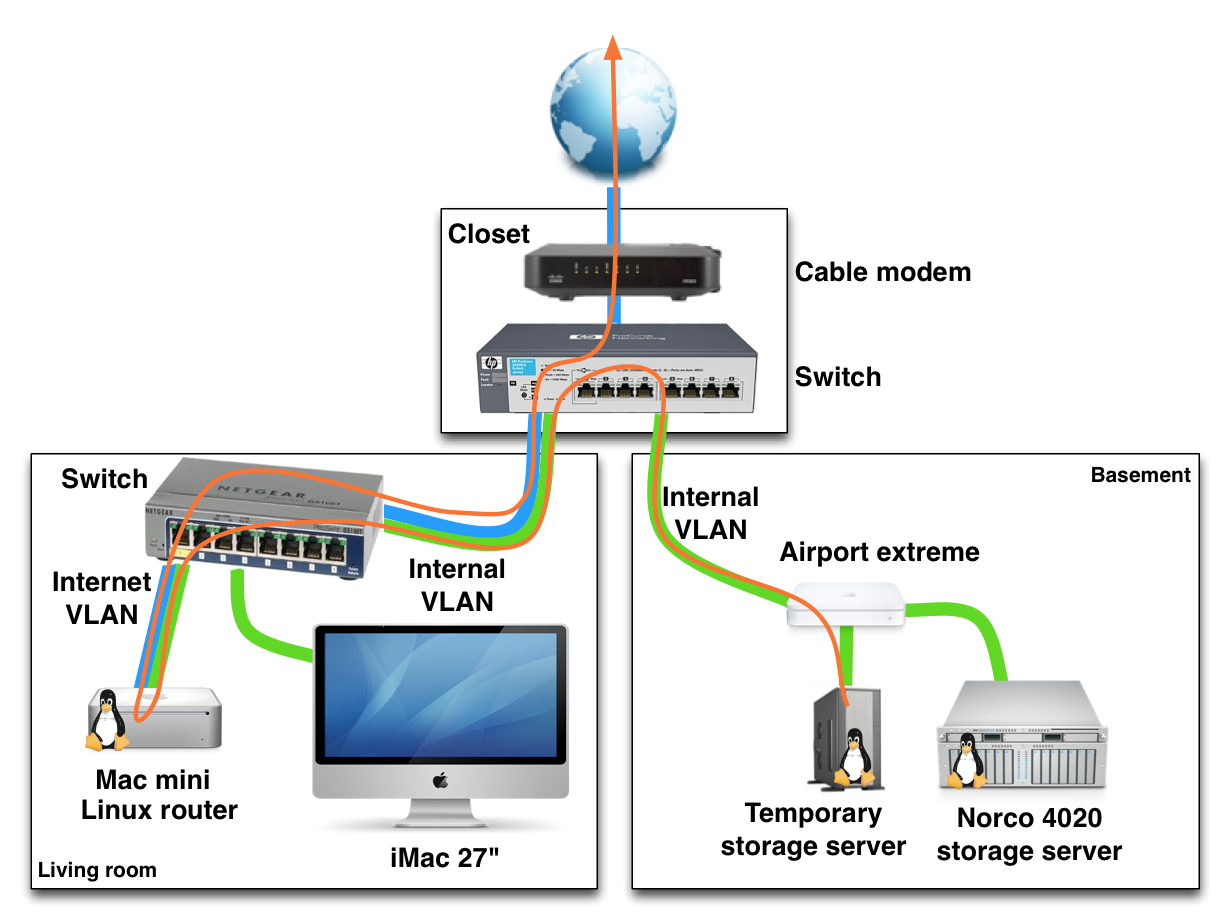
- Create a guest network: Put all your IoT devices on this separate network. It isolates them, so if a smart bulb is compromised, it can’t talk to your laptop or phone.
3. Become a Privacy Settings Ninja
This is where you own your data. Dive into the settings of each device and its accompanying app. It’s tedious, but powerful.
- Disable data sharing: Opt out of “personalized ads” and “usage data collection” wherever you see it.
- Manage voice recordings: For assistants like Alexa or Google, regularly review and delete your voice history. You can often set it to auto-delete every 3 months.
- Review app permissions: Does a light bulb app really need access to your contacts? Nope. Limit permissions to only what’s essential.
4. The Buying Principle: Privacy by Design
Next time you buy, make privacy a feature. Look for devices that boast local processing. This means data is processed on the device itself—like some higher-end security cameras—instead of being sent to the cloud. Seek out brands known for transparency. A company that clearly states they don’t sell your data is a company worth supporting.
| Feature to Look For | Why It Matters |
| Local Processing/Storage | Data stays in your home, not on a company server. |
| Regular Firmware Updates | Patches security holes. A device that’s no longer updated is a liability. |
| Two-Factor Authentication (2FA) | Adds a critical second step to logging in, blocking most unauthorized access. |
| Clear, Accessible Privacy Policy | If you can’t understand what they do with your data, assume the worst. |
The Human Element: It’s a Mindset
All the tech tips in the world won’t help if the mindset isn’t there. We have to shift from being passive consumers to active stewards of our digital spaces. That means occasionally saying no to a cool gadget if its privacy policy is a red flag. It means updating passwords—yes, again. It means recognizing that “free” services are often the most expensive, paid for with intimate details of your life.
Honestly, it’s a bit of a dance. A balance between enjoying the incredible benefits of a connected home and not letting that connection become a tether that others can pull. You know?
Your Sanctuary, Your Rules
In the end, a smart home should serve you, not the other way around. It should be a place of comfort and control, not of hidden compromises. The data your home generates is a reflection of your life—it should belong to you. Taking these steps isn’t about fostering paranoia; it’s about cultivating awareness. It’s the quiet satisfaction of knowing your digital sanctuary is truly yours, built on a foundation of choice, not just convenience.