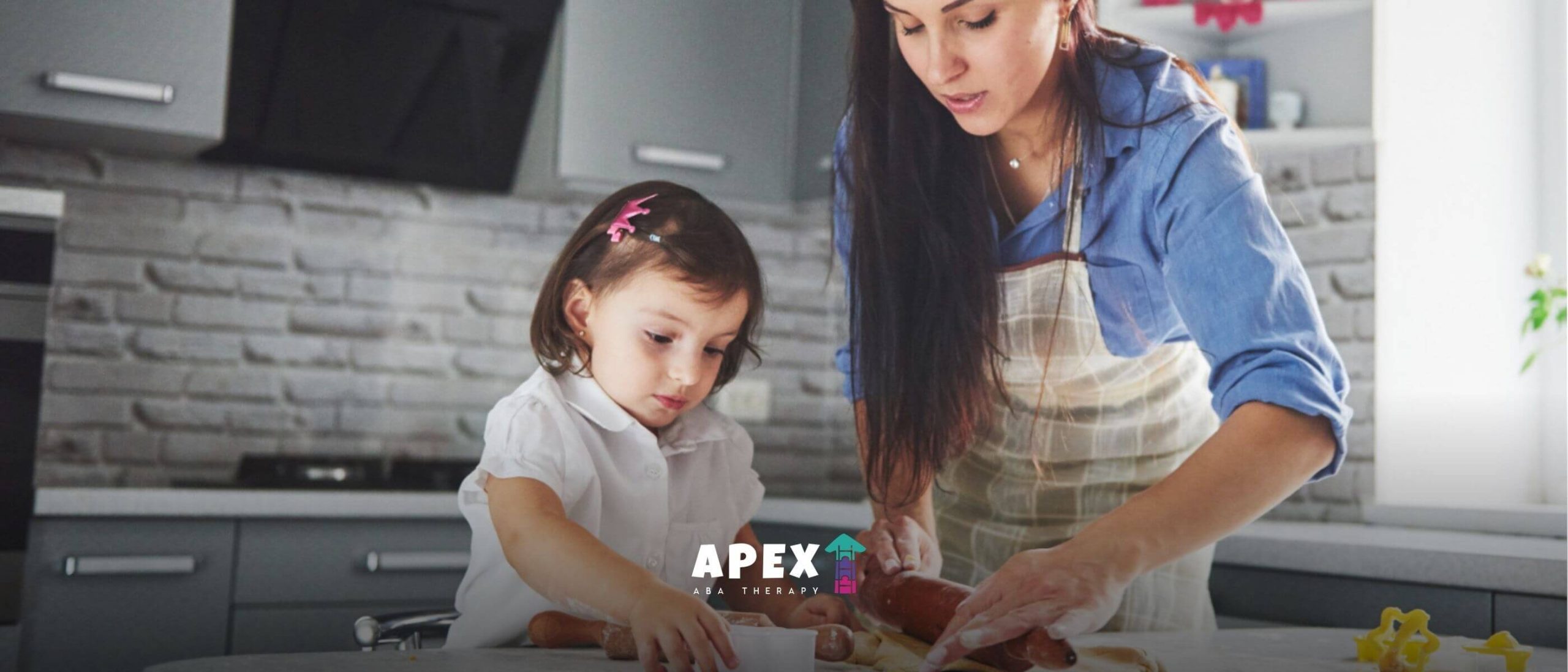
Let’s be honest. The standard kitchen playbook—with its fast-paced, multi-tasking, sensory-loaded environment—wasn’t written for everyone. For neurodivergent folks (that includes autistic people, those with ADHD, dyslexia, and other cognitive variations), cooking can feel less like a joy and more like a minefield of executive function demands, sensory overwhelm, and social pressure.
But here’s the deal: the kitchen can become a space of deep creativity and nourishing independence. It just needs a few adaptations. Think of it not as following a rigid recipe, but as customizing your own cooking operating system. This is about finding your flow, on your terms.
Rethinking the Kitchen Environment
First things first. Before you even pick up a knife, consider your stage. Sensory input is a huge factor. The buzz of an extractor fan, the glare of overhead lights, the smell of old food scraps, the texture of raw meat—any of these can derail the process.
Sensory-Smart Adjustments
Small changes here can be game-changers. Honestly, they can.
- Sound: Noise-canceling headphones or earplugs are a lifeline. Use them. Prefer auditory stimulation? Curate a predictable playlist that signals “kitchen time.”
- Sight: Swap harsh fluorescent lights for warmer, dimmable bulbs. Use open shelving or clear bins to reduce “out of sight, out of mind” ingredient amnesia—a common ADHD challenge.
- Touch: Keep a bowl of cool water nearby for rinsing sticky hands. Invest in utensils with comfortable, non-slip grips. Have a dedicated “texture towel” for drying hands, if that consistency matters to you.
- Smell: A good vent hood is key. Keep a lemon or cinnamon stick nearby to sniff as a neutralizer if strong cooking odors become overwhelming.
The Executive Function Hurdle: Planning & Sequencing
For many neurodivergent cooks, the hardest part isn’t the cooking itself—it’s the mental load around it. Meal planning, grocery lists, sequencing steps… it’s a lot. This is where systems beat willpower every single time.
| Challenge | Practical Adaptation |
| Decision fatigue on “what to cook” | Create a rotating “no-brainer menu” of 5-7 safe, easy meals. Pick from that, only. |
| Forgetting ingredients/steps mid-recipe | Use a tablet or stand to view recipes. Read the entire recipe twice before starting. Seriously. |
| Time blindness leading to burned food | Use visual timers (like the Time Timer) and multiple, loud kitchen timers. One for each item. |
| Difficulty with multi-step sequencing | Rewrite recipes as a numbered, bullet-point checklist. Cross off as you go for a dopamine hit. |
Adaptive Cooking Techniques & Tools
Okay, environment sorted. Now, let’s talk action. The goal is to reduce friction and cognitive load at every single point.
Embrace “Assembly Cooking”
Forget the idea of making a complex dish from scratch in one go. Instead, think in components. On a high-spoon day, batch-cook bland bases: plain rice, roasted chickpeas, baked chicken, steamed veggies. Store them separately. Then, on other days, you simply assemble and add sauce or seasoning. It’s like having your own kitchen Lego set. This is a fantastic strategy for autistic cooks who may have specific texture or flavor preferences that vary day-to-day.
Tool Up for Success
- Pre-cut is not cheating: Buy pre-chopped onions, frozen diced peppers, minced garlic in a jar. The extra cost is a tax for your executive function, and it’s worth it.
- One-pot/pan wonders: Recipes that minimize dishes are a godsend. Sheet pan dinners, slow cookers, and Instant Pots reduce cleanup chaos.
- Visual aids: Use color-coded cutting boards (red for meat, green for veg) or knife guards. It adds a clear, visual rule to the process.
Reframing the “Rules” of Cooking
Culinary culture is full of unspoken, arbitrary rules. Neurodivergent cooks often thrive when they give themselves permission to… well, break them.
You know what? Eat breakfast for dinner. Have a “snack plate” of disparate, uncooked items (cheese, crackers, fruit, raw veg) and call it a meal. Use the same three spices you love on everything. If you can’t stand the sound of stirring in a metal pot, use a silicone spatula on a non-stick pan.
The point is nourishment and sustainability, not performance. If a recipe says “sauté for 5-7 minutes until fragrant” but you need to step away from the stove for a minute to regulate, do it. Turn the heat off. It’ll be fine. Cooking is not a live broadcast.
The Social Side: Cooking for & with Others
This can be the trickiest part. The pressure of cooking for others or collaborating in a kitchen amps up every demand. A few thoughts.
Communicate your needs upfront. “I need the music off while I’m handling the knives,” or “I’m going to prep everything into bowls first, like a cooking show—don’t worry about the extra dishes!” Most people appreciate the clarity.
When attending a potluck, bring your safe food. That ensures you’ll have something to eat, and you’re still contributing. It’s a win-win.
Finding Your Kitchen Identity
In the end, culinary adaptation is deeply personal. It’s about listening to your own brain and body—the sensory aversions, the need for routine, the bursts of hyperfocus—and designing a practice around them. Maybe you become the person who makes incredible, intricate baked goods when the hyperfocus hits, but lives on smoothies and toast the rest of the week. That’s valid.
The kitchen isn’t a test. It’s a tool. And like any good tool, you can modify the grip, adjust the weight, and use it in a way that feels powerful to you. Start with one tiny adaptation. See how it feels. The rest, well, it’ll simmer into place.