Let’s be honest. We think about securing our doors, our networks, even our light bulbs. But water? It’s the silent, steady force in our walls and floors we almost always take for granted—until we hear that dreaded drip, drip, drip or, worse, come home to a flooded basement. That’s the old way of thinking. The new way is proactive, connected, and honestly, a bit of a relief.
Integrating smart water sensors and leak detectors into your connected home ecosystem isn’t just about buying a gadget. It’s about weaving a digital safety net for one of your home’s most vital—and potentially destructive—systems. Here’s the deal on making it all work together.
Why a Sensor Alone Isn’t a Full Solution
You can buy a standalone water alarm for twenty bucks. It beeps when it gets wet. The problem is, you have to be there to hear it. In a connected ecosystem, that sensor becomes a communicator. It talks to your phone, your security system, your smart valves, and your voice assistants. It’s the difference between a shout in an empty house and a coordinated broadcast to your entire digital world.
The Core Components of a Water-Smart Home
To build this net, you need a few key players. Think of them as your water defense team.
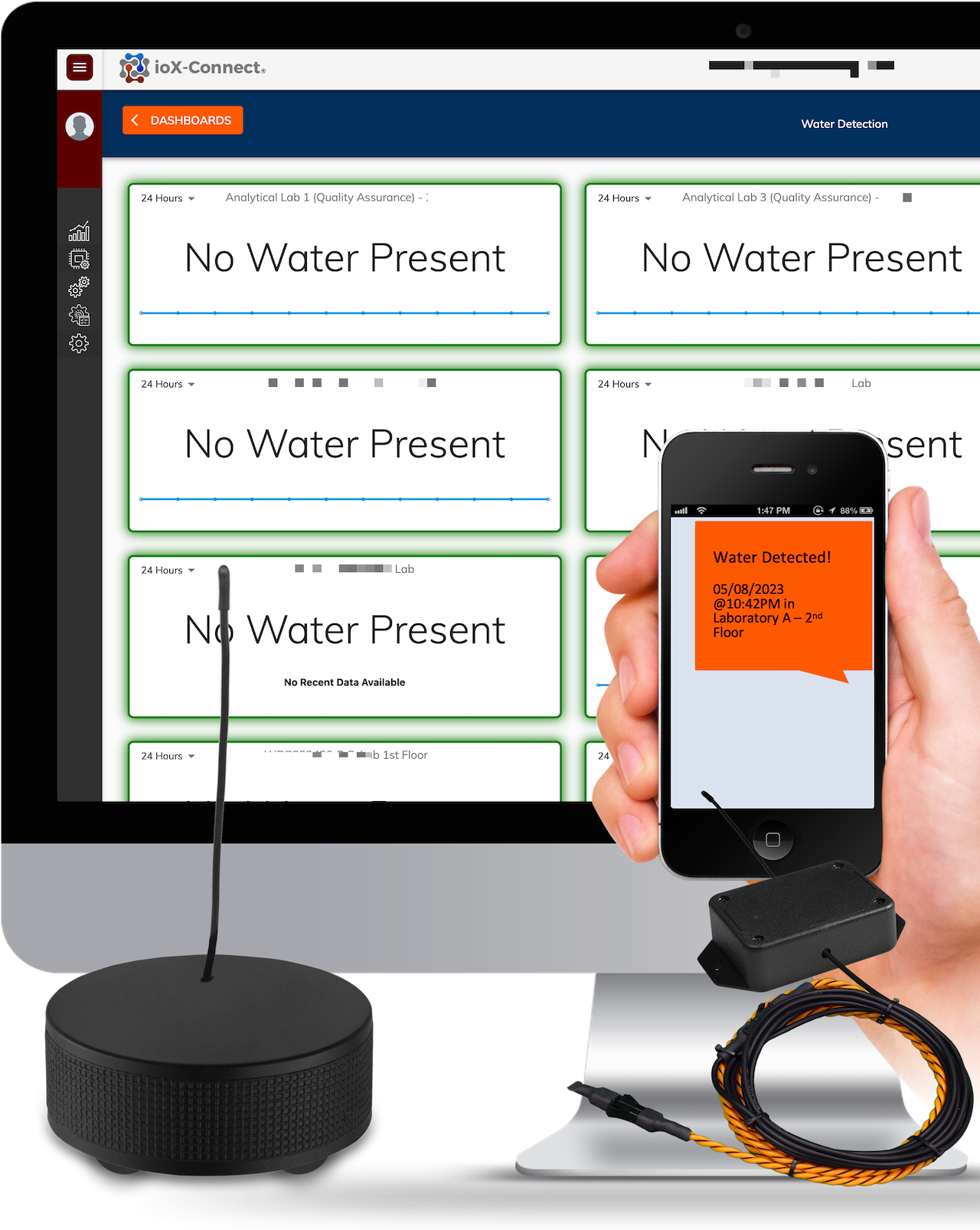
- Point Sensors: These are your scouts. Small, battery-powered pucks or strips you place in high-risk zones: under the kitchen sink, by the water heater, behind the washing machine. They detect moisture and send an immediate alert.
- Rope Sensors: A longer, cord-like sensor you can snake along a basement perimeter or under a whole row of pipes. It covers more linear ground than a point sensor.
- Automatic Shutoff Valves: The muscle. Installed on your main water line, these can be triggered by a sensor to kill the water supply entirely in seconds. No more waiting for a plumber to find the street-side shutoff while your house fills up.
- The Hub/Bridge: The translator. Many sensors use protocols like Zigbee or Z-Wave. This device connects them to your Wi-Fi and unifies them in a single app.
- Your Smart Home Platform: The brain. This is where the magic of smart home water leak prevention happens. It’s the app—be it Apple Home, Google Home, Samsung SmartThings, or Amazon Alexa—that lets you create automations and see everything in one place.
The Real Magic: Creating Automations and Scenes
This is where integration pays off. It’s not just an alert. It’s a reaction. You can set up “if this, then that” rules that turn a detection into a multi-step emergency protocol.
For example, a simple automation could be: IF the sensor under the bathroom sink detects water, THEN: 1) Send a critical push notification to all family phones, 2) Turn the main water shutoff valve to “closed,” 3) Have your smart lights in the hallway flash red, and 4) Announce the leak location on all Google Nest or Amazon Echo speakers.
Suddenly, you’re responding to a crisis before you’ve even physically seen it. That’s powerful. And it can save you tens of thousands in repair costs—and immeasurable stress.
Choosing the Right System: Compatibility is King
Not all devices play nice together. You can’t just buy any sensor. The biggest step in integrating water leak detection is checking the “Works With” label. A sensor designed for the Apple HomeKit ecosystem might not appear in your SmartThings app, and vice versa.
Here’s a quick, down-and-dirty compatibility table to illustrate the point:
| Sensor Brand/Type | Best For Platform | Key Integration Feature |
|---|---|---|
| Philips Hue Smart Plug (for pump control) | Apple Home, Google Home, Alexa | Wide native support; easy automations |
| Aqara Water Leak Sensor | Apple HomeKit, Samsung SmartThings (via hub) | Very affordable; great for Zigbee-based systems |
| Moen Flo or Phyn Plus | Their own dedicated app, plus Alexa/Google Assistant | Includes shutoff valve & whole-home water monitoring |
| D-Link myTouchSmart Sensor | Works with IFTTT | Good for custom, web-based applets |
See? Your starting point should be the smart home platform you’re already invested in. Build out from there.
Beyond Leaks: The Unexpected Benefits
Sure, stopping a flood is the headline act. But a well-integrated water monitoring system does some pretty clever side gigs too.
It can track humidity levels in a crawl space, alerting you to potential mold conditions. Some advanced systems, like those with whole home water monitoring, learn your usage patterns. They can tell you if a toilet is running incessantly (a silent water-waster) or if your teenager’s showers are getting… epically long. You get insights into your consumption, which is good for both the planet and your wallet.
It becomes part of your “Goodnight” scene. “Hey Google, goodnight” might lock the doors, turn off the lights, set the thermostat, arm the security system, and run a diagnostic check on all water sensors. That’s peace of mind you can literally tuck yourself in with.
Installation: The Mental Hurdle
People get hung up on this. They picture a plumber tearing into drywall. For most sensors, installation is… placing a device on the floor. The automatic shutoff valve is the only part that might require professional installation, and many companies now offer that service directly. The sensors themselves are peel-and-stick or just set-in-place. The real work is the thinking: mapping your home’s risk zones and ensuring wireless connectivity down in that concrete basement corner.
And remember to test them. Once a month, maybe when you test your smoke detectors, dab a wet paper towel on the sensor contacts. Make sure the alert symphony you set up actually plays. A sensor with a dead battery or a lost connection is just a plastic puck.
A Connected, Quieter Mind
In the end, integrating these tools isn’t about adding more tech clutter. It’s about subtraction. You’re subtracting anxiety. You’re removing the “what if” that nags at you during a winter vacation or a busy workweek. You’re turning your home from a passive structure into an active guardian—one that watches the unseen flows within its walls.
The goal of a truly smart home, after all, isn’t just convenience. It’s resilience. It’s giving your home a nervous system that can feel a problem and react, protecting the physical and emotional investment you’ve made. Water is essential to life. With a little smart integration, it doesn’t have to be a threat to your home.