Let’s be real — the living room is the heart of the home. But when you’ve got grandparents, parents, and kids all sharing that one space, it can feel less like a heart and more like a circus tent. You’ve got the toddler building block towers, the teenager sprawled on the couch with earbuds in, and Grandma trying to read her book in peace. Sound familiar? Designing a multigenerational living room isn’t just about furniture placement — it’s about creating zones where everyone can coexist without stepping on each other’s toes. Or, you know, without the remote control mysteriously vanishing.
Why multigenerational living rooms need a different approach
Honestly, the old “one couch, one coffee table, one TV” setup just doesn’t cut it anymore. When you’ve got age ranges from 2 to 72, you’re dealing with different needs — mobility, noise tolerance, visual stimulation, and even temperature preferences. A multigenerational living room layout strategy isn’t about compromise; it’s about intentional design. Think of it like a good playlist — you need a mix of tempos that somehow flow together.
Here’s the deal: the average U.S. household now has more than two generations under one roof, according to Pew Research. That’s a lot of personalities. So, how do you make it work without losing your mind? Let’s break it down.
Zone planning: The secret sauce
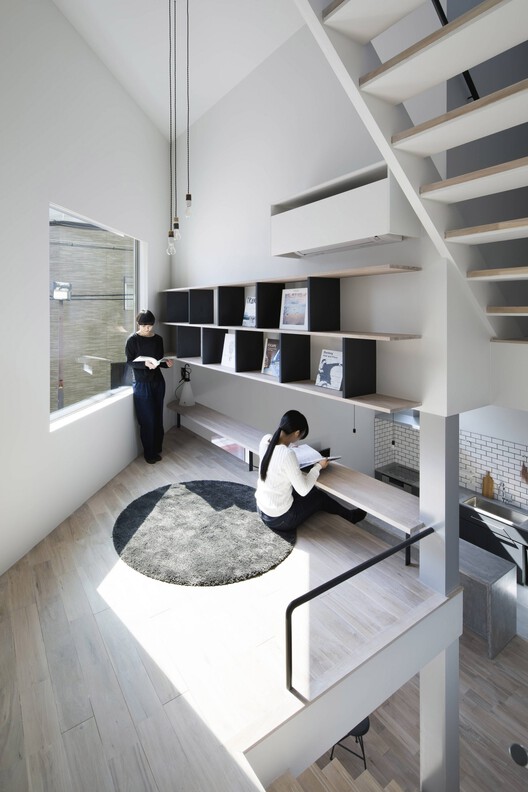
You can’t just throw a sectional in the middle and call it a day. Instead, think in zones. Each zone serves a purpose — and a person. The beauty of this approach? It creates natural boundaries without walls. Here’s a quick breakdown of the zones you might need:
- The Quiet Zone — a cozy corner with a comfortable armchair, good lighting for reading, and maybe a small side table. Perfect for Grandma or anyone who needs a break from the chaos.
- The Activity Zone — a low coffee table with storage for board games, puzzles, or even a laptop. This is where the teenager might sprawl out or where the toddler can color.
- The Viewing Zone — the main seating area oriented toward the TV. But here’s a trick: use a swivel chair or two so people can easily turn away from the screen to chat.
- The Movement Zone — clear pathways, especially for walkers or wheelchairs. No sharp corners, no clutter. It’s not just practical — it’s safe.
Sure, you might not have room for all four. But even two zones can transform the energy of the room. The key is to define each zone with rugs, lighting, or furniture placement — not walls.
Furniture that multitasks (because you’re not a magician)
Let’s talk about the real MVPs: multifunctional furniture. A storage ottoman that doubles as a footrest and a toy bin? Yes, please. A sofa with a pull-out bed for when the grandkids sleep over? Absolutely. But here’s the thing — don’t go overboard. One or two smart pieces are enough. Too many gimmicks and the room starts to feel like a IKEA showroom.
I’ve seen people use a large, round ottoman in the center of the room — it works as a seat, a table, and a place to stash blankets. And it’s easy to move around, which matters if someone uses a walker. That’s a win-win.
Lighting: The mood maker (and peacekeeper)
Lighting is, honestly, one of the most overlooked aspects of multigenerational living room layout strategies. You’ve got the older generation who needs bright, glare-free light for reading. Then there’s the teenager who wants dim, moody lighting for gaming. And the toddler? They just want to turn the lights on and off a hundred times.
The solution? Layered lighting. Use a mix of overhead fixtures, floor lamps, and table lamps — all on separate switches or dimmers. That way, Grandma can have her reading lamp on while the rest of the room stays dim for movie night. It’s like having a dimmer switch for family harmony.
Pro tip: Add a smart plug or two. You can control them with your phone or voice. No more fighting over who gets to turn off the lights.
Traffic flow: Don’t make them play hopscotch
You know that awkward moment when someone has to shuffle sideways to get past the coffee table? Yeah, that’s a design fail. In a multigenerational home, clear pathways are non-negotiable. Aim for at least 36 inches of space in main walkways. For areas near seating, 18 inches is usually enough — but test it. Walk through the room yourself. Can you carry a cup of tea without bumping into anything? Good.
Also, consider the height of furniture. Low-profile sofas might look sleek, but they’re tough for older adults to get out of. A seat height of around 18 to 20 inches is a sweet spot. And armrests? They’re not just decorative — they’re grab bars in disguise.
Color and texture: More than just pretty
Color affects mood — that’s not new. But in a multigenerational space, it’s about balance. Too many bright colors can overstimulate kids and stress out adults. Too many neutrals can feel sterile. Try a neutral base with pops of color in accessories — pillows, throws, art. That way, you can swap them out as tastes change.
Texture matters too, especially for tactile comfort. A chunky knit blanket for the couch, a soft rug underfoot, maybe a velvet cushion. These small touches make the room feel lived-in and welcoming. And they help absorb sound — which is a godsend when the toddler is having a meltdown and Grandpa is watching the news.
Acoustic considerations (shh… it’s important)
Noise is a huge pain point in shared spaces. Hard floors bounce sound everywhere. Rugs, curtains, and upholstered furniture help absorb it. If you’ve got a open-plan living room, consider adding a bookshelf or a tall plant as a sound buffer. It’s not a soundproof booth, but it helps. And honestly, sometimes you just need to lower the volume of life.
Technology integration: The invisible third party
Let’s face it — technology is a big part of multigenerational living. The teenager wants to stream, the grandparents want to watch cable, and you just want everyone to stop arguing. The fix? A universal remote or a smart hub that controls the TV, sound system, and lights. It’s not cheap, but it’s cheaper than therapy.
Also, think about charging stations. A central spot — maybe a console table near the entry — where everyone can plug in their devices. No more hunting for outlets behind the couch. It’s a small thing, but it reduces friction.
| Challenge | Solution |
|---|---|
| Different TV preferences | Use a TV with multiple inputs or a streaming stick with profiles |
| Noise levels | Add rugs, curtains, and soft furniture |
| Mobility issues | Widen pathways, add grab bars near seating |
| Clutter from multiple users | Use baskets, ottomans with storage, and wall shelves |
Personalization without chaos
Everyone wants to feel like the space is theirs, right? But you can’t have a floral armchair next to a neon beanbag without it looking like a yard sale. The trick is to give each person a small, defined area they can personalize. A shelf for the teenager’s trophies, a corner for Grandma’s knitting basket, a low bin for the toddler’s toys. It keeps the room cohesive while still respecting individual identity.
And hey, if the teenager wants to hang a poster — let them. Just frame it. Framed posters look intentional, not messy. It’s a small compromise that goes a long way.
Flexibility is your best friend
Here’s the thing about multigenerational living — it changes. The toddler becomes a tween. The grandparents might need more assistance over time. Your layout should be adaptable. Use lightweight furniture that can be rearranged. Avoid built-in shelving that locks you into one configuration. Think of your living room as a living organism, not a museum exhibit.
I’ve seen families swap out a coffee table for a lower one when a child starts crawling. Or move a bookshelf to create a quiet nook for a new remote worker. The best layouts are the ones that evolve with you.
Wrapping it up (without the bow)
Designing a multigenerational living room isn’t about perfection. It’s about intention. You’re not just arranging furniture — you’re creating a backdrop for shared meals, quiet conversations, and the occasional dance party. It’s messy. It’s loud. And honestly, it’s kind of beautiful.
So take a breath. Start with one zone. Add a lamp. Move the ottoman. See how it feels. Your living room doesn’t have to be a masterpiece — it just has to work for the people who live in it. And that, right there, is the whole point.