Let’s be honest—water is one of those things we take for granted until the bill arrives. Or until we hear about a drought somewhere. But here’s the deal: you don’t need to overhaul your entire house to make a difference. Small swaps—like eco-friendly plumbing fixtures—can slash your water usage without you even noticing. And honestly, it feels pretty good.
Think about it. Every time you flush, wash your hands, or take a shower, you’re sending gallons of water down the drain. But what if you could cut that by half? Or more? That’s not just a dream—it’s a reality with modern fixtures. Let’s dive into the nitty-gritty, shall we?
Why water conservation matters more than you think
Sure, we live on a blue planet. But only about 1% of that water is drinkable. And with climate change messing with weather patterns, even that 1% is getting squeezed. The EPA says the average American family uses over 300 gallons of water daily. That’s… a lot. Like, bathtub-level a lot. By switching to eco-friendly plumbing fixtures, you’re not just saving money—you’re helping keep that 1% available for everyone.
And hey, it’s not just about altruism. Lower water bills? Yes, please. Plus, many of these fixtures qualify for rebates or tax credits. So it’s a win-win—your wallet and the planet both high-five you.
The big players: low-flow toilets, faucets, and showerheads
Alright, let’s get specific. You’ve probably heard the term “low-flow” thrown around. But what does it actually mean? Well, it’s exactly what it sounds like—fixtures designed to use less water per minute. But here’s the kicker: modern low-flow fixtures are way better than the old ones. Remember those anemic showers from the 90s? Yeah, those are gone. Today’s tech uses aerators, pressure-compensating valves, and smart designs to give you a strong flow while using less water. Magic? Kinda.
Low-flow toilets: the silent savers
Toilets are the biggest water hogs in most homes—about 30% of indoor water use. A standard old toilet uses 3.5 to 7 gallons per flush (gpf). Newer low-flow models use 1.28 gpf or even less. That’s a 50% reduction, easy. And with dual-flush options (a half-flush for liquid, full for solid), you can really dial it in. Some models even have a “flushometer” that senses waste—fancy, right?
If you’re on a budget, consider a conversion kit. It’s not as sleek, but it works. Or go for a WaterSense-labeled toilet—that’s the EPA’s stamp of approval. They test for performance, so you won’t get stuck with a clog-prone nightmare.
Low-flow showerheads: feel the rain, save the drain
I love a long, hot shower. But I also love not crying when my water bill arrives. Low-flow showerheads use 1.5 to 2.0 gallons per minute (gpm) compared to the old 2.5 gpm standard. That’s a 20-40% savings. And honestly? You won’t feel the difference—if you get a good one. Look for models with “air injection” technology. They mix air with water, creating a misty, full-body spray that feels luxurious. It’s like standing in a tropical rainstorm, minus the guilt.
Pro tip: if you have hard water, get a model with a rubber nozzle. Makes cleaning mineral buildup a breeze.
Low-flow faucets: small change, big impact
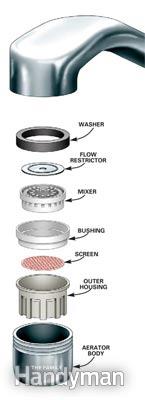
Faucets might seem minor, but they run every single day. Brushing teeth, washing dishes, rinsing veggies—it adds up. Standard faucets flow at 2.2 gpm. Low-flow ones? 1.5 gpm or less. That’s a 30% cut. And with motion sensors or touchless models, you stop wasting water when your hands are full of soap. Plus, aerators (those little screw-on tips) are cheap and easy to install. Seriously, you can do it in under a minute.
One thing to watch: if your water pressure is already low, a super-low-flow faucet might feel frustrating. Look for ones with adjustable flow rates—or just get a standard aerator with a 1.0 gpm rating. It’s a sweet spot.
Beyond the basics: greywater systems and smart tech
Okay, so you’ve swapped your fixtures. But what if you could reuse some of that water? That’s where greywater systems come in. These divert water from sinks, showers, and washing machines—not toilets—to irrigate your garden. It’s a bit more involved (plumbing, filters, local codes), but it can cut your outdoor water use by 50%. And your plants will love the mild soap residue—it’s like a gentle fertilizer.
Then there’s smart plumbing. Think leak detectors that text you when a pipe drips. Or smart irrigation controllers that adjust watering based on weather. Some even sync with your phone. It’s not cheap, but for tech nerds and serious savers, it’s a game-changer. You know, the kind of thing that makes you feel like a water-saving superhero.
What to look for when shopping (a quick cheat sheet)
Walking into a hardware store can be overwhelming. So here’s a simple checklist:
- WaterSense label – EPA-certified, tested, and efficient.
- Flow rate – Look for gpf (toilets) or gpm (showerheads/faucets). Lower is better, but not too low for your home’s pressure.
- Dual-flush option – Great for toilets. Half-flush for #1, full for #2.
- Aerator included – Many faucets come with one. If not, buy separately.
- Material – Brass or stainless steel lasts longer than plastic.
- Warranty – A good fixture should have at least a 5-year warranty.
And hey, don’t forget to measure your existing connections. Nothing worse than buying a new showerhead that doesn’t fit. Ask me how I know.
Comparing popular eco-friendly fixture types
Let’s put some numbers side by side. This table gives you a quick glance at typical savings:
| Fixture Type | Standard Flow | Eco-Friendly Flow | Annual Water Savings (per fixture) |
|---|---|---|---|
| Toilet | 3.5 gpf | 1.28 gpf | ~8,000 gallons |
| Showerhead | 2.5 gpm | 1.5 gpm | ~2,700 gallons |
| Faucet | 2.2 gpm | 1.0 gpm | ~1,500 gallons |
Those numbers assume average usage—about 5 flushes, 10 minutes of showering, and 8 minutes of faucet time per day. Your mileage may vary, but you get the idea. It’s not peanuts.
Installation tips: DIY or call a pro?
Honestly? Most of these swaps are DIY-friendly. A showerhead unscrews by hand. A faucet aerator twists on. Toilets take a bit more work—you’ll need a wrench, some plumber’s tape, and maybe a YouTube tutorial. But if you’re not handy, or if your pipes are old and rusty, call a plumber. It’s worth the $100 to avoid a flood. Trust me—I’ve seen the aftermath of a DIY toilet install gone wrong. It’s not pretty.
One tip: before you start, turn off the water supply. Obvious, right? But people forget. Also, check local codes—some areas require licensed pros for certain fixtures, especially greywater systems.
The hidden benefits you didn’t expect
Here’s something I didn’t realize until I switched: eco-friendly fixtures often mean less wear on your water heater. Less water flowing means less energy to heat it. So your energy bill drops too. It’s like a double discount. Plus, modern fixtures are quieter. No more that annoying whistle from a cheap faucet. And they look nicer—sleek, minimalist designs that fit any bathroom.
Another thing: you’ll probably notice your septic system (if you have one) lasts longer. Less water means less strain on the tank and leach field. That’s a few thousand dollars saved down the road.
Common myths about water-saving fixtures
“They don’t work as well.” False. Modern tech is incredible. I’ve used a 1.2 gpm showerhead that felt stronger than my old 2.5 gpm one. It’s all about pressure and design.
“They’re too expensive.” Not really. A basic low-flow toilet costs $150–$300. A faucet with aerator? $30–$80. The savings pay for themselves in a year or two.
“I’ll have to change my habits.” Nope. You’ll flush the same, shower the same, wash the same. The fixture does the work. It’s passive conservation—like a smart thermostat, but for water.
Final thoughts: small ripples, big waves
Look, I’m not saying you have to go full eco-warrior overnight. But swapping out one or two fixtures? That’s doable. And it compounds. Imagine if every household in your neighborhood did the same. The collective savings would be staggering—millions of gallons, less energy, lower bills. It’s not about perfection. It’s about progress.
So maybe start with that leaky faucet you’ve been ignoring. Or grab a low-flow showerhead next time you’re at the store. You might be surprised how good it feels to save water without sacrificing comfort. And honestly? That’s the kind of change that sticks.
[Meta title: Eco-Friendly Plumbing Fixtures for