Look up. What do you see? For most city dwellers, the answer is a vast, underutilized landscape of asphalt, gravel, and shingles. A flat, gray desert baking in the sun. But what if we reimagined that space? What if our rooftops weren’t just lids on our buildings, but vibrant, living ecosystems? That’s the promise of roof-integrated wildlife habitats—a powerful, and honestly, beautiful solution to the biodiversity crisis unfolding in our urban centers.
Here’s the deal: we’ve paved over the meadows and forests where creatures once thrived. Roof-integrated habitats are a way to give some of that space back, quite literally lifting nature up to new heights. It’s not just about a few potted plants. We’re talking about intentionally designed, structural ecosystems that support everything from pollinators and birds to invertebrates and rare native plants. Let’s dive in.
Beyond the Green Roof: A Spectrum of Habitat Solutions
Sure, you’ve heard of green roofs. But a true wildlife habitat roof goes a step further. It’s designed with specific species and ecological functions in mind. Think of it as a spectrum, from simple to complex.
1. The Pollinator Pit-Stop
This is often the entry point. A lightweight, shallow system planted with a diverse palette of nectar and pollen-rich native flowers. It’s a crucial refueling station for bees, butterflies, and other pollinators struggling to find food in a concrete jungle. The key here is variety and staggered blooming periods—providing a buffet from spring to fall.
2. The Meadow in the Sky
3. The Rocky Refuge (Biodiverse Brown Roofs)
This one’s fascinating. Instead of deep soil, a “brown” or rubble roof uses locally sourced substrates like crushed brick, gravel, or sand. It mimics rocky, nutrient-poor habitats like limestone grasslands or coastal shingle. These conditions are perfect for rare, drought-tolerant plants and the specialized insects that call these sparse landscapes home. It’s a low-maintenance powerhouse for niche biodiversity.
4. The Integrated Bird & Bat Sanctuary
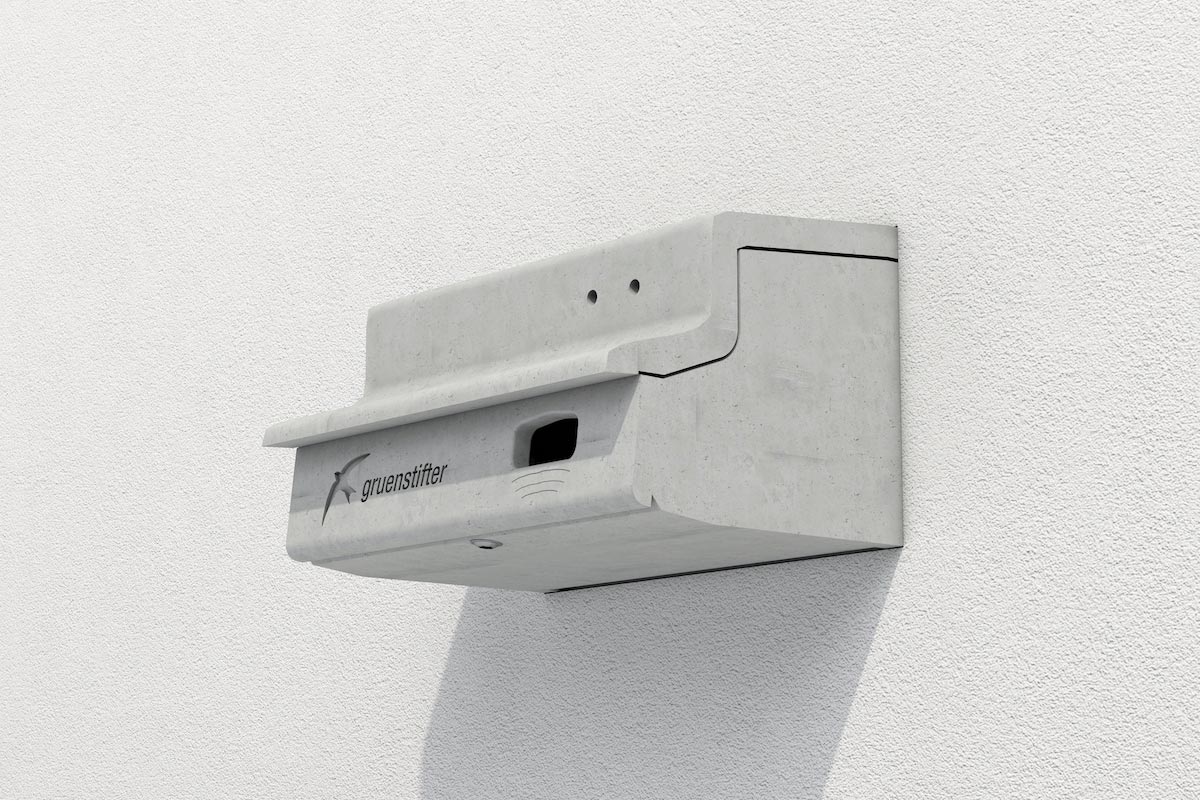
This is where architecture and ecology truly merge. It involves building features directly into the roof structure: nesting cavities for swifts or swallows within the fascia, integrated bat boxes under the eaves, or even creating safe, sheltered “beachhead” areas for ground-nesting birds. It’s about creating permanent real estate, not just temporary lodging.
Why Bother? The Tangible Benefits Stack Up
Beyond the warm feeling of helping a bumblebee, the benefits are incredibly practical. They touch on the biggest pain points in modern urban development.
| Benefit | How It Works | The Bigger Impact |
| Urban Heat Island Mitigation | Plants absorb sunlight and cool the air through evapotranspiration (that’s plant sweat, basically). | Reduces building cooling costs by up to 25%, makes entire neighborhoods cooler. |
| Stormwater Management Champion | Soil and plants absorb, store, and slowly release rainwater. | Massively reduces runoff that overwhelms sewers, preventing pollution and flooding. |
| Biodiversity Corridors | Roofs act as stepping stones, connecting fragmented ground-level habitats. | Allows species to move, find mates, and build resilient populations. |
| Building Longevity | Protects roofing membranes from UV rays and extreme temperature swings. | Can double or even triple the lifespan of a roof. That’s a huge financial win. |
| Human Wellbeing | Provides visual access to nature (even just a view from above), reduces stress, improves air quality. | Creates healthier, more productive work and living environments. |
Getting It Right: Design Principles for a Thriving Roof Habitat
You can’t just throw some dirt and wildflower seeds up there and hope for the best. A successful habitat roof is a careful balancing act. Here are the non-negotiable principles.
- Structural Integrity First: Always, always start with a structural engineer. Soil is heavy, especially when wet. This is the foundational step—literally.
- Native Plants Are Non-Negotiable: Exotic ornamentals are often ecological deserts. Native plants co-evolved with local insects and birds; they’re the foundation of the food web. Think of them as the local cuisine, not imported fast food.
- Embrace “Messy” Complexity: Wildlife loves clutter. Leave dead stems over winter for insect larvae. Create piles of stones or logs for shelter. A perfectly manicured roof is a poor habitat.
- Water is Life: Even drought-tolerant plants need establishment. And a small water feature—a shallow birdbath or a damp sand patch for butterflies—can transform your roof’s attractiveness.
- Safety & Access: Parapet heights, safe access for maintenance, and fire safety considerations are crucial. This is professional territory.
The Real-World Hurdles (And How to Clear Them)
Let’s be real. It’s not all sunshine and wildflowers. The path has obstacles. Upfront cost is the big one—specialized layers, soil, plants, and professional design add investment. But, you know, that’s where reframing the cost is key. It’s not an expense; it’s a long-term investment in the building asset, in energy savings, and in regulatory compliance for stormwater.
Maintenance is another. These are living systems. They need occasional weeding, checking on irrigation, and maybe seasonal plant care. But compared to a high-maintenance lawn? It’s often less. It’s a different kind of care. The trend is moving toward creating self-sustaining ecosystems that need minimal human fuss after a few years.
A New Perspective on Our Urban Canopy
So, what does this all mean? It means our cities don’t have to be biological dead zones. Every roof—on a garage, a school, a sprawling warehouse, or a skyscraper—represents a chance for reconciliation. A patch of potential.
This isn’t just a niche trend for environmentalists. It’s a logical, multi-benefit strategy for architects, developers, city planners, and homeowners. It’s about building smarter, more resilient cities that work with nature, not against it. The blueprint for a wilder, healthier, more beautiful urban future might just be right over our heads, waiting to be planted.