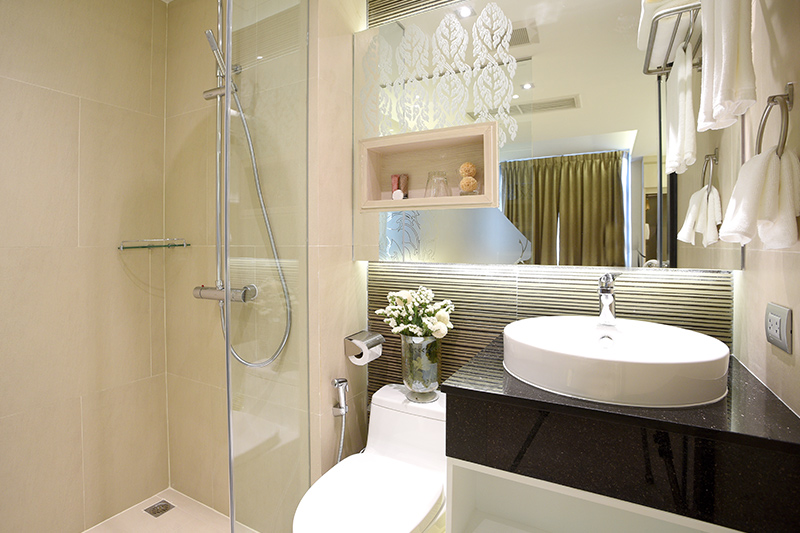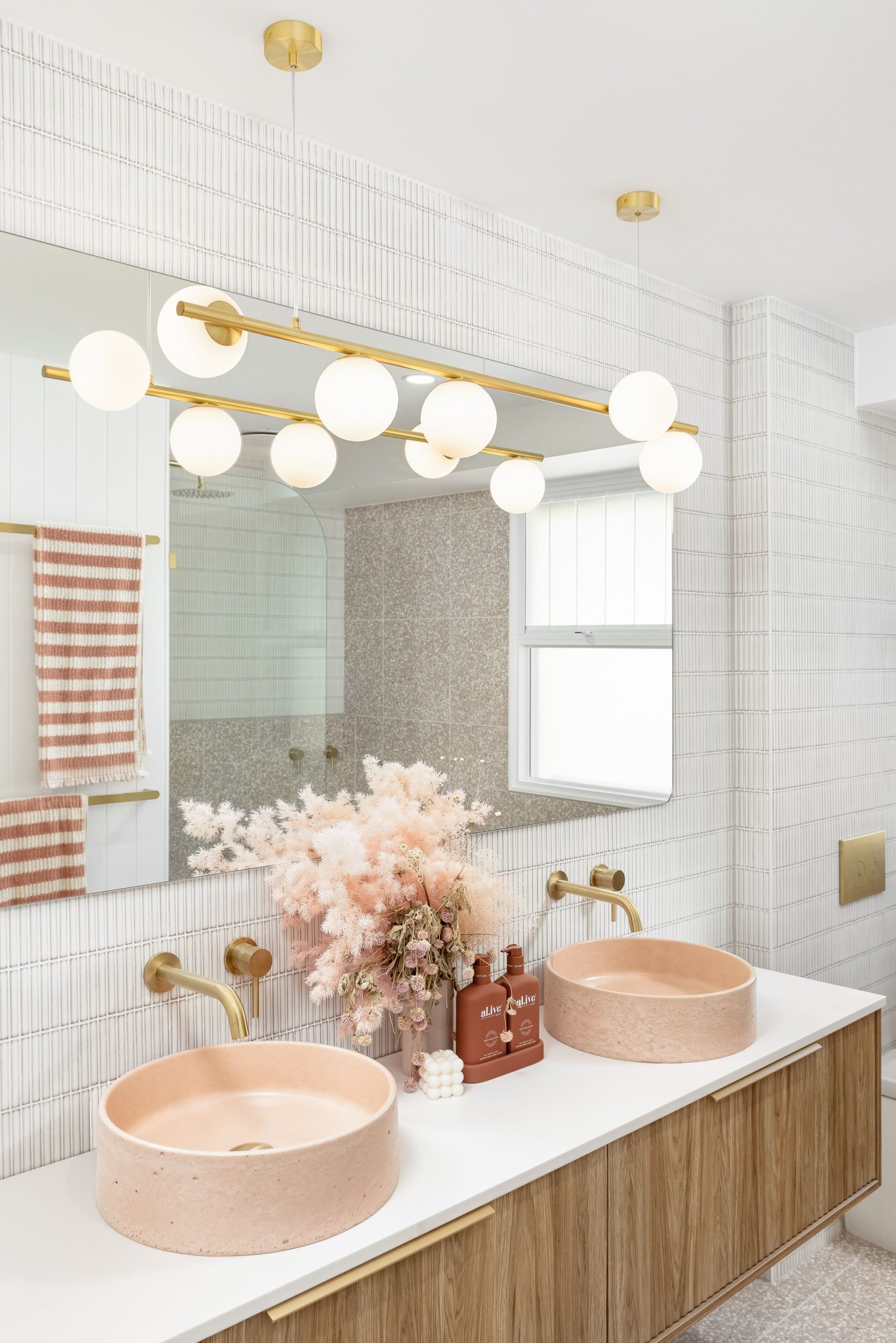
Let’s be honest—bathrooms often get the short end of the design stick. They’re functional, sure. But sterile? Yeah, sometimes. You walk in, flip a switch, and it’s all harsh shadows and stale air. But what if your bathroom felt more like a sun-dappled forest clearing? That’s the promise of biophilic design. It’s not just about slapping a fern on the counter. It’s a whole philosophy—reconnecting humans with nature through intentional space-making. And honestly, the bathroom might be the most underrated room to try it.
What Exactly Is Biophilic Design? (And Why Your Bathroom Needs It)
Biophilia—literally “love of life”—is that innate human pull toward nature. Think about it: you feel calmer near a window, more focused after a walk, happier when plants are around. Biophilic design takes that instinct and weaves it into architecture. For bathrooms, this means three core elements: natural light, fresh air, and living greenery. Not just decor—but a system that works together. The goal? Reduce stress, improve air quality, and make your morning routine feel less like a chore and more like a ritual.
Here’s the deal: most bathrooms are windowless boxes. Or they have one tiny frosted window that barely lets in light. But even small changes can shift the whole vibe. And I’m not talking about a full renovation budget—though that helps. Let’s break it down piece by piece.
Natural Light: More Than Just a Glow
Natural light in a bathroom isn’t just about seeing your face clearly. It’s about circadian rhythms—your body’s internal clock. Morning sunlight tells your brain to wake up. Evening dimness signals rest. So a bathroom with good daylight can actually improve your sleep and mood. Sounds fancy, but it’s biology.
If you’re designing from scratch, go big with windows. Skylights are a game-changer—especially in a shower where privacy is key. Tubular skylights (those reflective tubes) work wonders in tight spaces. And frosted glass? It diffuses light while keeping prying eyes out. No need for sheer curtains that get moldy anyway.
But what if you’re stuck with a windowless bathroom? Well, you can fake it—sort of. Use full-spectrum LED bulbs that mimic daylight. Place them near mirrors to bounce light around. And consider light tubes, which are basically skylights for hallways and interior rooms. They’re not cheap, but they’re a one-time install that pays off in mood alone.
Ventilation: Breathing Easy (Literally)
Ventilation is the unsung hero of biophilic bathrooms. You can have the most beautiful plants and sunlight, but if the air is stagnant and humid, you’re asking for mold. And mold kills the whole nature vibe—fast.
Operable windows are ideal. Even a small casement window that opens outward can create cross-ventilation. Place it opposite the door or another window, and you’ve got a natural breeze. In warmer climates, this can reduce reliance on exhaust fans—though you still need one for code compliance.
But here’s a quirk: many people forget to actually open their bathroom windows. We get used to flipping the fan switch. So make the window easy to reach—no awkward stretching over the toilet. And consider a window with a crank handle, not a sliding one that gets stuck.
If windows aren’t an option, upgrade your exhaust fan. Look for one with a humidity sensor—it turns on automatically when steam rises. Quiet models exist, too. Because nothing kills relaxation like a rattling fan that sounds like a dying bee.
Living Plants: The Green Heart of Biophilia
Plants in a bathroom? Yes, but choose wisely. Not every houseplant can handle the humidity rollercoaster—steamy showers followed by dry spells. But many thrive in it. Ferns, orchids, pothos, and snake plants are solid choices. They filter toxins, add oxygen, and—let’s face it—make the space feel alive.
I’ve seen people hang a pothos from the showerhead. Honestly, it looks incredible. The vines trail down, catching steam and soft light. Just make sure the plant is non-toxic if you have pets or kids. And don’t forget drainage—overwatering is the #1 killer of bathroom plants. Use pots with holes, or layer pebbles at the bottom.
Here’s a trick: group plants together. They create a microclimate—higher humidity, less evaporation. A cluster of ferns on a shelf near the window? That’s a living wall without the installation headache. And if you’re worried about mess, use self-watering pots. They’re not perfect, but they help.
Putting It All Together: A Simple Framework
You don’t need a complete overhaul to apply biophilic principles. Start with one element—maybe the light. Then add ventilation. Then plants. They all support each other. Natural light helps plants grow. Plants improve air quality. Good ventilation prevents mold. It’s a feedback loop, really.
Let’s look at a quick comparison of approaches—because sometimes a table just makes it clearer:
| Element | Ideal Scenario | Budget-Friendly Hack |
|---|---|---|
| Natural Light | Skylight or large frosted window | Full-spectrum LED bulbs + mirrors |
| Ventilation | Operable window + humidity-sensing fan | Upgraded quiet fan + open door after showers |
| Living Plants | Humidity-loving ferns, orchids, pothos | Single snake plant on counter |
| Integration | Plants near window, fan on timer | Grouped pots on a shelf |
See? It’s not all or nothing. You can start small and build. The key is intentionality—not just throwing a plant in a dark corner and hoping for the best.
Common Mistakes (And How to Avoid Them)
I’ve made plenty of mistakes myself. Like putting a succulent in a steamy bathroom. Succulents hate humidity—they rot. Or forgetting to clean the exhaust fan filter. That thing gets nasty. And don’t get me started on placing a plant where it gets zero light but you “hope it’ll adapt.” It won’t.
Another one: ignoring privacy. Big windows are great, but if your neighbor can see you brushing your teeth, that’s stressful. Use frosted film, textured glass, or high-up windows. You want light, not a show.
And here’s a weird one—overwatering because you think “it’s a bathroom, so it’s fine.” Nope. Plants still need drainage. That humidity is a bonus, not a substitute for proper care.
Trends and Pain Points: What’s Happening Now
Right now, there’s a huge push toward wellness bathrooms. People want their homes to feel like spas. Biophilic design fits that perfectly. But the pain point? Cost. Skylights and custom windows aren’t cheap. And not everyone can install a green wall.
So the trend is moving toward modular solutions. Think: freestanding plant shelves, plug-and-play light tubes, and smart fans that sync with your schedule. Even paint colors matter—earthy greens, warm wood tones, and matte finishes mimic natural textures. You can fake a lot with paint and texture, honestly.
Another trend: “shower gardens.” That’s where you build a small planter inside the shower enclosure—usually with tropical plants that love steam. It’s a bit advanced, but stunning. Just make sure the drainage goes into the shower drain, not onto the floor.
Final Thoughts: Nature Isn’t a Luxury—It’s a Necessity
Biophilic design isn’t about perfection. It’s about feeling more human in a space that often feels mechanical. A bathroom with natural light, fresh air, and a few living plants can shift your entire day. You step in, and you’re not just cleaning up—you’re resetting.
Sure, it takes a little planning. Maybe a bit of trial and error. But the reward? A room that breathes. That grows. That reminds you, even for five minutes, that you’re part of something bigger than a to-do list. And that’s worth the effort.
So go ahead—open that window. Move that fern closer to the light. Let the steam do its work. Your bathroom might just become your favorite room in the house.