Let’s face it — roofs are more than just a hat for your house. They’re the first line of defense against heat, cold, and everything in between. And if you’ve ever felt a draft in winter or sweated through a summer afternoon in your attic, you know exactly what I mean. That’s where insulated roof panels come in. Honestly, they’re a game-changer for energy efficiency. But here’s the thing — not all panels are created equal, and knowing what to look for can save you a ton of cash and headaches. Let’s break it down.
What Exactly Are Insulated Roof Panels?
Think of them as a sandwich — but instead of bread and cheese, you’ve got two layers of metal, wood, or composite material with a thick core of insulation in between. That core is usually polyurethane foam, polystyrene, or polyisocyanurate. This design creates a continuous thermal barrier. No gaps. No thermal bridges. Just solid, consistent insulation from edge to edge.
These panels are often used in commercial buildings, warehouses, and increasingly in residential homes. Why? Because they cut down on energy loss like a winter coat on a freezing day. And honestly, who doesn’t want lower utility bills?
How Do They Boost Energy Efficiency?
Here’s the deal: traditional roofs — like asphalt shingles or corrugated metal — don’t insulate well on their own. They rely on separate insulation layers, which can sag, settle, or leave gaps over time. Insulated roof panels, on the other hand, are a complete system. The insulation is built right in. That means fewer drafts, less heat transfer, and a more stable indoor temperature.
Let’s talk numbers. According to the U.S. Department of Energy, proper insulation can reduce heating and cooling costs by up to 20%. With insulated roof panels, you’re often looking at R-values between R-20 and R-40, depending on thickness. That’s serious savings — especially in extreme climates.
Key Benefits at a Glance
- Reduced energy loss — the continuous insulation stops thermal bridging cold.
- Lower HVAC load — your heating and cooling systems don’t have to work as hard.
- Condensation control — fewer moisture issues mean less mold and rot.
- Faster installation — panels are pre-fabricated, so they go up quicker than traditional roofing.
- Durability — most panels resist impact, fire, and pests.
Sure, there’s a higher upfront cost compared to basic shingles. But over time, the energy savings alone can offset that. Plus, you’re adding value to your property. It’s a win-win.
Types of Insulated Roof Panels
Not all panels are the same. You’ve got options, and each one has its own quirks. Let’s run through the most common types.
1. Metal-Faced Panels (SIPs)
Structural Insulated Panels (SIPs) are the rockstars of the industry. They’ve got an OSB or metal skin with a foam core. They’re strong, energy-efficient, and can even be load-bearing. Perfect for roofs in new builds or major renovations.
2. Polyurethane Foam Panels
These are lighter and often used in retrofits. The foam expands to fill every nook and cranny, which means zero air leaks. They’re also great for curved or irregular roof shapes.
3. Polystyrene Panels
EPS (expanded polystyrene) panels are budget-friendly and decent insulators. They’re not as strong as polyurethane, but they work well in moderate climates. Just make sure they’re properly sealed — moisture can be a problem if they’re not.
4. Composite Panels
These combine materials like fiberglass, cement, or recycled plastics with insulation. They’re eco-friendly and fire-resistant, but can be pricier. Worth it if sustainability is your jam.
Comparing Insulated Roof Panels: A Quick Table
| Panel Type | R-Value (per inch) | Best For | Cost Range |
|---|---|---|---|
| Metal-Faced (SIPs) | R-4 to R-6 | New builds, cold climates | $$$ |
| Polyurethane Foam | R-6 to R-7 | Retrofits, irregular shapes | $$ |
| Polystyrene (EPS) | R-3.5 to R-4.5 | Mild climates, budget projects | $ |
| Composite Panels | R-4 to R-5 | Eco-friendly builds, fire safety | $$$ |
That said, don’t just pick the cheapest option. Think about your local weather, roof pitch, and long-term goals. A little planning goes a long way.
Installation: What to Expect
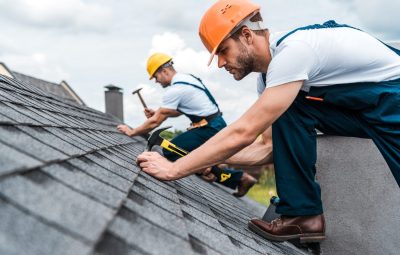
Installing insulated roof panels isn’t a DIY job for most folks — unless you’re really handy. The panels are heavy and need precise cutting. Plus, you’ve got to seal the joints perfectly to avoid air leaks. A pro crew can usually do a standard roof in a few days, which is faster than traditional methods.
One thing to watch out for: thermal bridging. That’s when heat escapes through the fasteners or edges. Good panels have a thermal break built in, but you still need proper installation. Ask your contractor about using insulated fasteners or gaskets.
Real-World Impact: A Little Story
I talked to a homeowner in Minnesota last year. She’d replaced her old asphalt roof with insulated metal panels. Before, her attic was an icebox in winter and a sauna in summer. After? Her heating bill dropped by nearly 30%. She said the house felt “more solid” — less noise, fewer drafts. It’s not just about energy efficiency; it’s about comfort. You know that cozy feeling when you walk into a well-insulated room? That’s what we’re after.
Are There Any Downsides?
Well, nothing’s perfect. Insulated roof panels can be more expensive upfront — sometimes double the cost of traditional roofing. And if they’re damaged (say, from a fallen tree), repairing a section can be tricky. You might need to replace an entire panel rather than patching it.
Also, ventilation is crucial. Because these panels are so airtight, you need proper attic ventilation to prevent moisture buildup. Otherwise, you could end up with condensation issues. Talk to your roofer about ridge vents or soffit vents.
Trends and Innovations
The industry is moving fast. Right now, there’s a big push for cool roof panels — ones with reflective coatings that bounce sunlight away. They reduce heat absorption, which is huge for urban areas. Some panels even integrate solar cells, turning your roof into a mini power plant. Imagine that — energy efficiency plus renewable energy. It’s like getting a two-for-one deal.
Another trend? Recycled materials. More manufacturers are using post-consumer waste in their insulation cores. It’s not just greenwashing — these panels perform well and reduce landfill waste. If you’re eco-conscious, it’s worth asking about.
Is It Worth the Investment?
Honestly, it depends on your situation. If you’re building a new home or doing a complete re-roof, insulated panels are a solid bet. The energy savings add up year after year. Plus, they increase your home’s resale value — buyers love low utility bills.
But if your roof is in decent shape and you’re just looking for a quick fix, adding extra attic insulation might be cheaper. That said, you won’t get the same airtightness or structural benefits. It’s like comparing a winter coat to a sweater — both help, but one does a lot more.
Final Thoughts — No Fluff
Insulated roof panels aren’t a magic bullet, but they’re close. They offer a practical, long-term solution for energy efficiency that goes beyond just saving money. They make your home quieter, more comfortable, and more resilient. And in a world where energy costs keep climbing, that’s worth thinking about.
So, if you’re planning a roof project — or even just daydreaming about one — give these panels a serious look. Talk to a contractor. Crunch the numbers. You might be surprised at how quickly they pay for themselves. After all, a roof isn’t just a cover. It’s an investment in your comfort and your future.