Let’s be honest. For years, we’ve been told to declutter. To embrace the stark, serene, and sometimes sterile, aesthetic of minimalism. But what if your soul doesn’t sing in a white room? What if your memories are tied to objects, and your creativity thrives in visual abundance? Enter a different, more personal philosophy: Curated Maximalism.
This isn’t about hoarding or chaotic piles. It’s the opposite, really. It’s about intentional clutter. It’s about treating your living space like a personal museum, where every item—from the inherited vase to the weird little souvenir—has a story, a purpose, and a deliberate place. It’s maximalism with a curator’s eye.
Beyond the Cliché: What Curated Maximalism Actually Is
You know that feeling in a great museum? The rooms are full, every inch considered, but it doesn’t feel messy. It feels rich. That’s the goal here. Curated maximalism rejects the “less is more” mantra in favor of “more is more… but only if it means more.” More joy. More memory. More personality.
The core idea is personal museum curation. You are the archivist of your own life. Instead of asking “does this spark joy?” in a vacuum, you might ask: “Does this contribute to the narrative of my space?” or “Does this object hold a story I want to live with?”
The Pillars of Intentional Clutter
So how do you avoid the slide into plain old mess? Well, you build a framework. Think of these as your museum’s acquisition and display policies.
- Narrative Over Neutral: Items are chosen for their emotional or story value first, their decorative value second. That chipped mug from your college years might stay because it’s a chapter in your book.
- Layered Composition: You arrange in deliberate layers—texture, color, era, scale. A modern lamp next to a vintage portrait on a textured wall. It’s a visual conversation.
- Edited Abundance: This is the crucial part. You still edit. Ruthlessly. If something doesn’t fit the narrative or the composition, it might not earn its spot. The “clutter” is composed, not accumulated.
- Dynamic Display: Like a museum, your displays can rotate. Store some pieces, bring out others seasonally or as your mood changes. It keeps the space feeling alive and you engaged.
Crafting Your Personal Museum: A Practical Guide
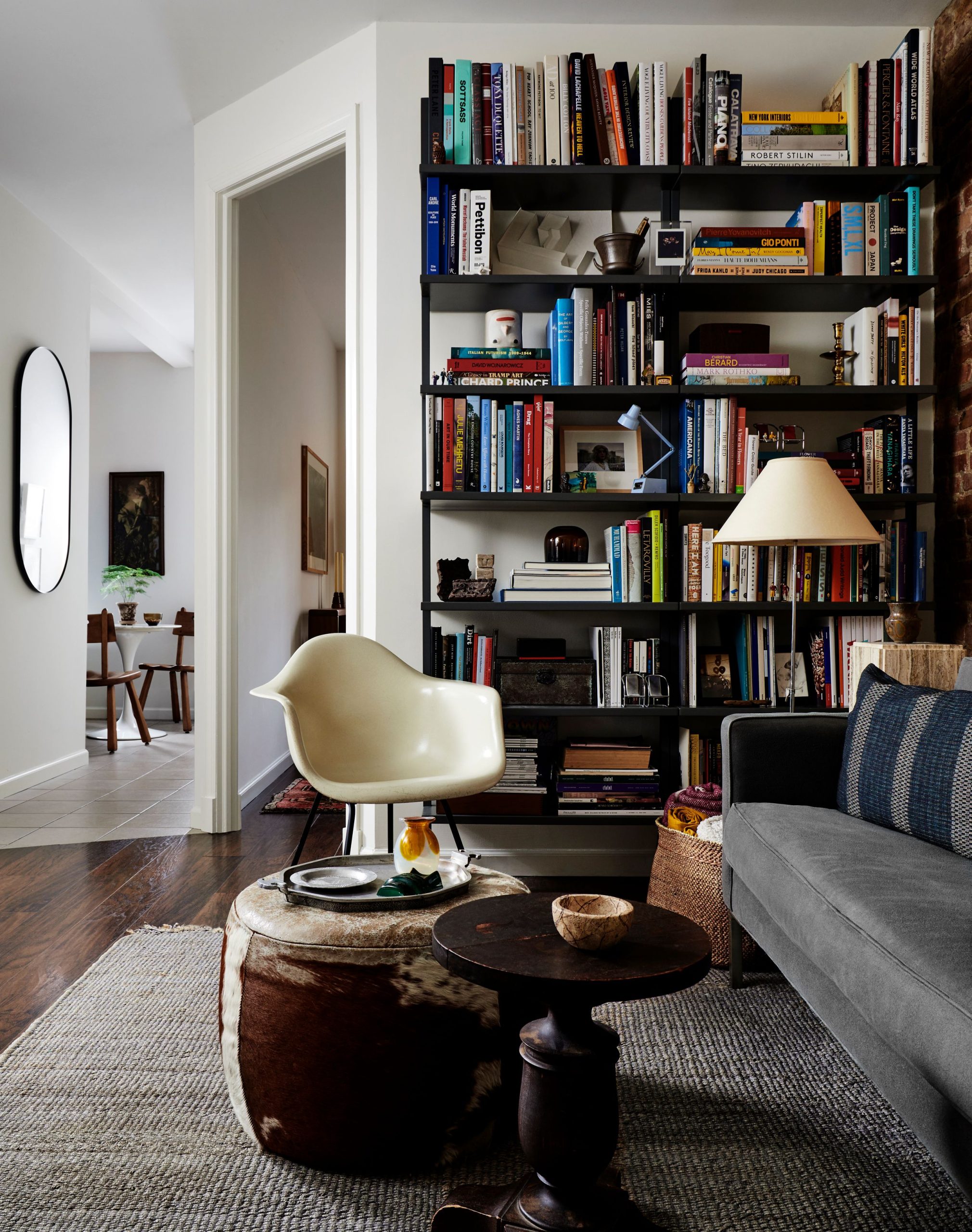
Okay, theory is great. But let’s get practical. How do you start curating your maximalist space? Don’t try to do it all at once. That’s a recipe for overwhelm. Start with a shelf, a bookshelf, a mantel. Treat it as a single exhibition gallery.
Step 1: The Audit (Or, The Collection Review)
Pull out the pieces you’re drawn to. Don’t think about style yet. Think about connection. Which items have a history? Which make you smile? Which are just visually interesting? Lay them all out. See what themes emerge—travel, family, a specific color, a love for ceramics. Your personal aesthetic will start to whisper to you.
Step 2: Establish a Visual Anchor
Every good exhibition has a focal point. Choose one. A large painting, a vibrant tapestry, a bold wallpaper wall. This anchor gives the eye a place to start and provides a backdrop against which your smaller “artifacts” can play.
Step 3: Compose with the Rule of Threes (and Then Break It)
Grouping items in odd numbers is visually pleasing. Start there. Create a vignette of three objects on a side table: a lamp (height), a stack of books (mid-height), a small figurine (detail). But here’s the maximalist twist: then build around it. Add a trailing plant behind it, prop a small painting against the wall. Let it grow organically until it feels “full” but not strained.
Here’s a simple table to think about layering on a bookshelf, a maximalist favorite:
| Layer Type | Examples | Purpose |
| Backdrop | Paint color, wallpaper inside shelves, fabric | Sets the mood & depth |
| Large Objects | Books, large vases, storage boxes | Provides structure and weight |
| Medium Accents | Stacked bowls, picture frames, medium plants | Adds visual interest & rhythm |
| Small Details | Shells, coins, small figurines, found objects | Invites close looking, tells micro-stories |
| Vertical Elements | Leaning art, tall candlesticks, trailing ivy | Breaks horizontal lines, adds dynamism |
The Psychology of Intentional Clutter: Why It Feels So Good
This trend isn’t just an aesthetic rebellion. It taps into something deeper. In a digital world, our physical environments become anchors. A home full of meaningful objects is a tactile autobiography. It reinforces identity and memory. It stimulates creativity—your eye is always discovering new connections between things.
That said, the line between curated and chaotic is personal. The key differentiator is control. Chaotic clutter causes stress; it’s visual noise. Intentional clutter, however, creates visual harmony through controlled complexity. It’s the difference between an orchestra tuning up and playing a symphony. The same number of instruments, but one has a conductor—a vision. That’s you.
Common Pitfalls (And How to Side-Step Them)
Even the best curators can over-acquire. Here are a few quick watch-outs.
- The Theme Trap: Don’t be too literal. “Travel shelf” is fine, but “objects that feel adventurous” is more interesting. Mix in a local rock with your foreign postcards.
- Ignoring Negative Space: Breathe. Even the Louvre has empty walls between paintings. Let some areas of your wall or shelf be calm. It makes the busy areas sing louder.
- Forgetting Function: Your home isn’t a literal museum. Surfaces still need to be usable. Leave space for a coffee cup, a place to set down your keys. Livability is part of the curation.
The Final Touch: Living with Your Collection
Curated maximalism is never finished. And that’s the point. It’s a living practice. It evolves as you do. The souvenir from last summer finds a home next to your grandmother’s clock, creating a new, unexpected story across time.
It asks you to be present, to really see your surroundings, and to make active choices about what you let into your visual field. In the end, it’s a celebration of the idiosyncratic, the personal, the wonderfully imperfect narrative of a life lived with eyes—and heart—wide open. Your home becomes not just a place you live, but a document of who you are.