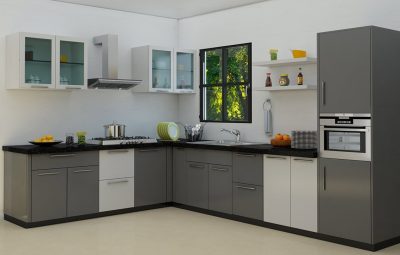
Let’s be honest. The kitchen is the heart of the home, but sometimes it sounds more like a construction site. The blender’s roar, the clatter of pans, the piercing microwave beep, the drone of the range hood—it’s a cacophony. And it adds a layer of stress we often don’t even register until we step away.
What if you could change that? What if, instead of just designing for looks, you designed for sound? That’s the idea behind soundscaping. It’s not about achieving utter silence—that’s impossible in a functional space. It’s about shaping the acoustic environment to feel more peaceful, more controlled. To turn down the volume on stress and turn up the joy of cooking.
Why Kitchen Noise is More Than Just Annoying
It’s not just in your head. Well, actually, it is—and that’s the problem. Constant, unpredictable noise triggers a low-grade stress response. It makes conversation harder, fragments your focus, and can honestly make you want to just order takeout instead.
Think of it like this: you’ve carefully chosen your paint colors, your backsplash, your lighting. But acoustics? They’re the invisible layer of design that most of us ignore. And that’s a missed opportunity for creating a truly calm cooking environment.
The Usual Suspects: Identifying Your Kitchen’s Noise Culprits
First, you gotta know what you’re up against. Here’s a quick rundown of the typical offenders:
- Hard Surfaces Galore: Tile floors, granite countertops, glass cabinets, stainless steel appliances. They all reflect sound like a basketball court, creating that harsh, echoey feel.
- Appliance Orchestra: The high-RPM whine of a blender, the low hum of a fridge, the whoosh of a dishwasher on its heavy cycle. They’re all contributors.
- Impact Noise: This is the big one. Cabinets closing (or slamming), pots clanging, cutlery being dropped into a drawer. Sharp, sudden, and jarring.
- Ventilation Systems: A powerful range hood is essential, but many sound like a small jet engine taking off.
The Sound-Absorption Solution: Softening the Echo
Okay, so we can’t rip out our countertops. But we can strategically add soft, porous materials that absorb sound waves instead of bouncing them around. Here’s how.
| Material / Element | How It Helps | Practical Ideas |
| Textiles & Fabric | Traps sound waves, reduces echo. | A sizable kitchen rug or runner. Curtains instead of blinds on a nearby window. Even a decorative fabric wall hanging. |
| Wood | Naturally absorbent compared to stone or metal. | Butcher block countertop sections. Wooden open shelving (which also breaks up flat surfaces). A solid wood kitchen island. |
| Acoustic Panels | Designed specifically for sound absorption. | Mount attractive, fabric-wrapped panels on a large, blank wall. Look for ones that fit your aesthetic—they’re not just for recording studios anymore. |
| Plants | Leaves scatter and absorb sound; soil in pots helps too. | Large, leafy plants in corners or on open shelves. A vertical herb garden adds life and quiet. |
Quieter Choices: From Appliances to Everyday Items
This is where being a savvy shopper pays off in peace and quiet. When it’s time to replace something, decibel (dB) ratings are your new best friend. A lower dB rating means a quieter machine.
- Dishwashers & Range Hoods: Many brands now market “quiet” models, often with decibel levels in the high 30s to low 40s. That’s library-quiet, honestly. Look for insulation and sound-dampening technology in the specs.
- Blenders & Food Processors: Some are engineered with noise-reduction features. A sound enclosure can be a game-changer for your morning smoothie.
- The Low-Tech Fixes: Felt pads on cabinet doors and drawers. Rubber mats inside utensil drawers. A wooden cutting board instead of a glass or stone one. Small changes, big impact on that clatter.
Introducing “Good” Noise: The Art of Acoustic Masking
Sometimes, the best way to fight bad noise is with good noise. This is called acoustic masking. It involves adding a consistent, pleasant background sound to make the jarring, intermittent noises less noticeable.
You know how you stop noticing the hum of a fan after a minute? That’s the principle. In your kitchen, you can create this with:
- A portable speaker playing ambient music, nature sounds, or even brown noise (which is deeper than white noise).
- A small tabletop water fountain—the trickling sound is wonderfully masking.
- Just… leaving a radio on at low volume. Talk radio can work surprisingly well.
Putting It All Together: A Realistic Soundscaping Plan
You don’t need to do everything at once. Start small. Think of it as a layered approach.
Phase 1: The Quick Fixes (This Weekend)
Add a rug. Put felt pads on everything that closes. Get a big plant. Stick an acoustic panel on that empty wall near the fridge. See what changes.
Phase 2: The Smart Upgrades (Next Time You Shop)
Prioritize quiet features in your next appliance purchase. Maybe swap out that screaming range hood insert. Invest in a quieter blender.
Phase 3: The Holistic View (The Big Picture)
If you’re renovating, consider acoustic underlayment under flooring, insulated wall cavities near appliances, and specifying solid-core cabinet doors. Choose materials with sound in mind from the start.
The Final Ingredient
Soundscaping your kitchen isn’t about perfection. It’s about intention. It’s acknowledging that the sounds around us shape our mood, our energy, and our experience of a space just as much as the visuals do.
By tuning into the acoustics—by softening the edges, choosing quieter tools, and maybe adding a layer of gentle sound—you’re not just making a quieter kitchen. You’re crafting a calmer, more inviting atmosphere. A place where the sizzle of onions in a pan is a welcome sound, not lost in a chaotic symphony. And honestly, that might just be the secret ingredient your cooking—and your home—has been missing.